La chanteuse TUi Mamaki, rencontrée en 2018 à l’occasion de la parution de son EP Hear My Voice (Beating Drum 2018), est une de ces personnalités singulières qui ne cessent de creuser le sillon d’une poésie unique, empreinte ici d’une forme de sacré connecté aux traditions vocales.
Au sein de son trio vocal a cappella Acapollinations, TUi Mamaki annonce un nouvel album et une série de concerts..
Acapollinations a fait ses débuts en 2014. Partant du principe que les voix, les cultures et les rythmes s’interpénètrent, ce trio réussit des adaptations envoûtantes et impertinentes de la polyphonie balkanique, avec une touche d’improvisation Aotearoa (nom Maori pour désigner la Nouvelle-Zélande). Des rythmes irréguliers, une harmonie émouvante et les voix évocatrices de Tui Mamaki (Franco-Kiwi), Chelsea Prastiti (Grecque-Kiwi) et Sally Howe (Cook-Island-Kiwi) sont les éléments essentiels d’un registre hautement…
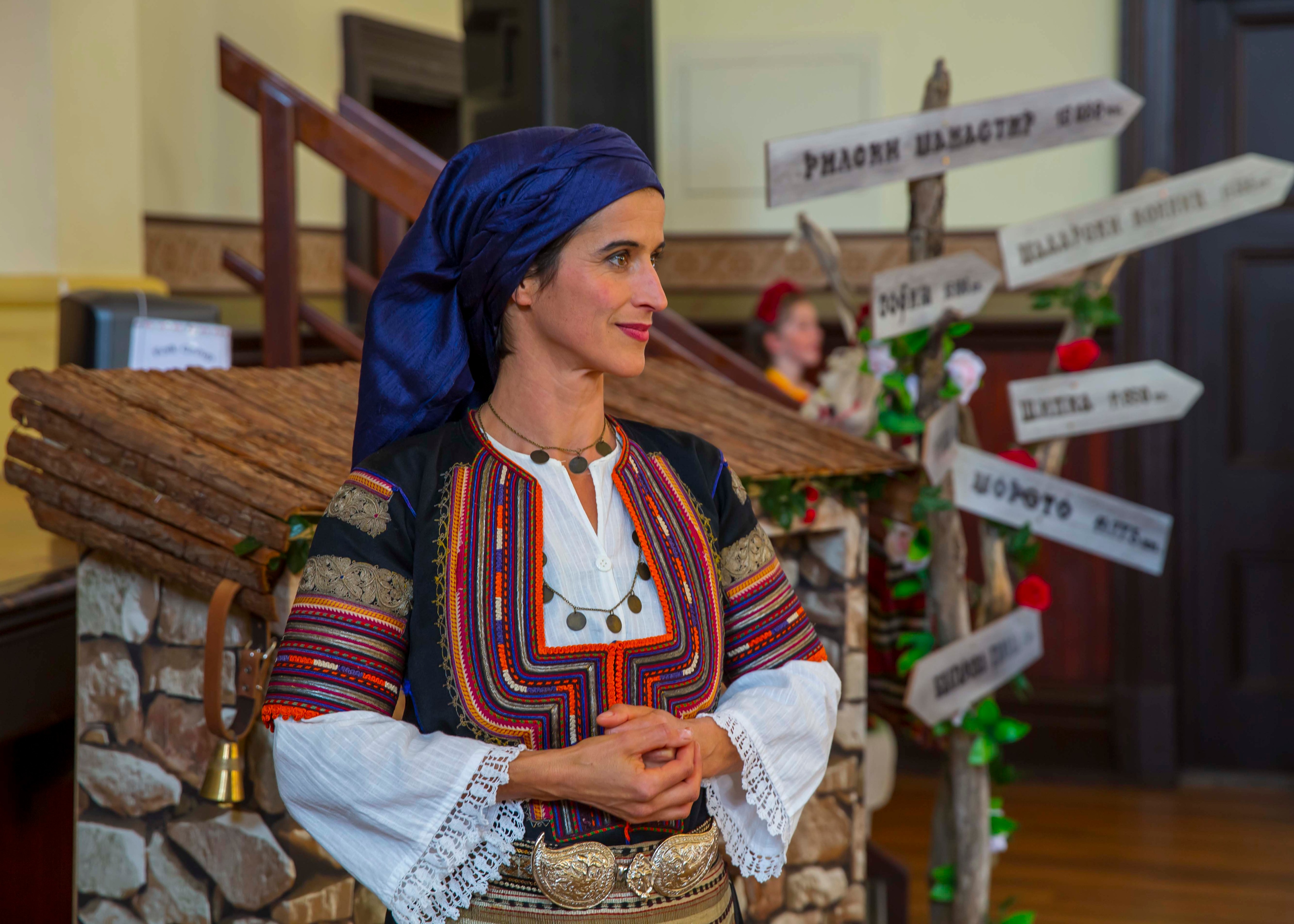
When I was in Bulgaria, learning their exquisite songs, I would fill my eyes and mind with the rich colours and patterns of the regional costumes, and I would feel both attracted and dissociated. How could a chujdenka (foreigner) even imagine wearing garments so full of story and nuance, so full of regional roots and affiliation. So, I let it be for them.
Then one day, a woman asked to meet me for coffee. To give me her baba’s saya (grandmother’s costume). Say again?
I sat across the little table, listening to the family stories and their wider political implications, feeling that the simple paper bag lying there, between our cups, held some kind of bomb or treasure, like a home-fire, like a message from another place, like a leaping and joining of hands between generations, cultures and languages.
This costume had been made by hand, for a life time of wearing, and for generations to come. Now it was leaving the family fold to follow the thread of song…. A chujdenka had come, with her passions and admirations, with her devoted study and shortcomings, and had started to carry old song in a new way. The costume came into the picture like armour, like a blessing, like a cheeky, irreverent door into the yes-ness of transmission. See it for yourself!
Stanislavka Barbutska (1915-1997). Here at the age of 30, and mother of three, pictured with her husband, parents and siblings, wearing the saya (costume) that she made with wool from her own sheep, and cotton from her own yards. Raised in Egalnitsa, a small village 35km North-East of Kyustendil, Stanislavka was the 2nd of 4 children to survive – born to Kostadinka and Simeon.
In this picture (1945), Simeon, her father, has just had his factory nationalised, and communism will begin to separate people from their gardens, and songs from daily life. The greatest choirs on earth will be created – with singers from all around the country – and will make Bulgarian Folk Song famous around the world, but at a cost. Many will lose touch with the practice of song in their own lives, in sedyanki (working bees) and harvest, and it will be relegated to the stage for, albeit stunning, demonstration by professional ensembles. Photo courtesy of Slavka Kukova.
Stanislavka wanted her granddaughter to be free from the power of men, and encouraged her to become a lawyer. Still, the memory of fertile summers in the countryside were strong for a child otherwise raised in the town of Plovdiv.
Slavka gifted me her grandmother’s saya in 2016, after discovering the music of my trio Acapollinations and feeling it that was something novel, yet honouring of the energy and lineage of Bulgarian Folk Song.
It was 6 years before I found an appropriate occasion to perform wearing it. Here singing the slow song “Gyuro Dobwr Yunak” from Trakiya (taught to me by Svetla Stanilova in Plovdiv) at “The 2nd United Concert of Bulgarian Folk Groups of Australia & New Zealand” in Melbourne, 2022. Photo by Radost Ratcheva.The traditional technique of swrma – the fine, golden embroidery on the shoulders – is a lost art, and modern replicas pale in comparison. The strength and energy of this costume is testament to its slow, hand-made nature and integrated function – where songs were literally sewn into the costume, over the long winter sedyanki (working bees). Photo by Radost Ratcheva.
It is an honour to take care of this saya, currently in Aotearoa/NZ – so far from its land of origin, but hopefully close to its original intent – that of reverence and the celebration of life’s beauty through collective dances and vibrant song.
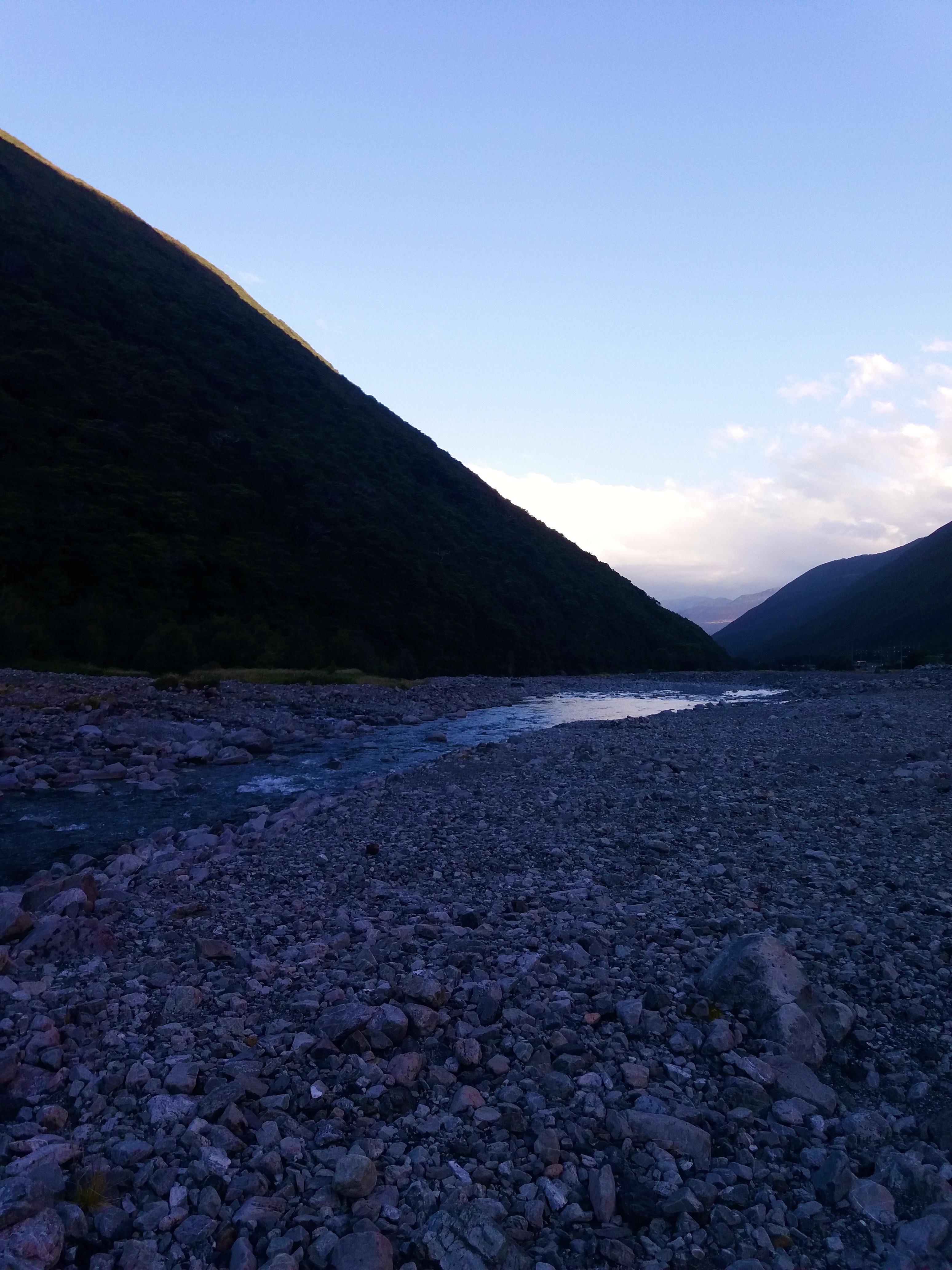
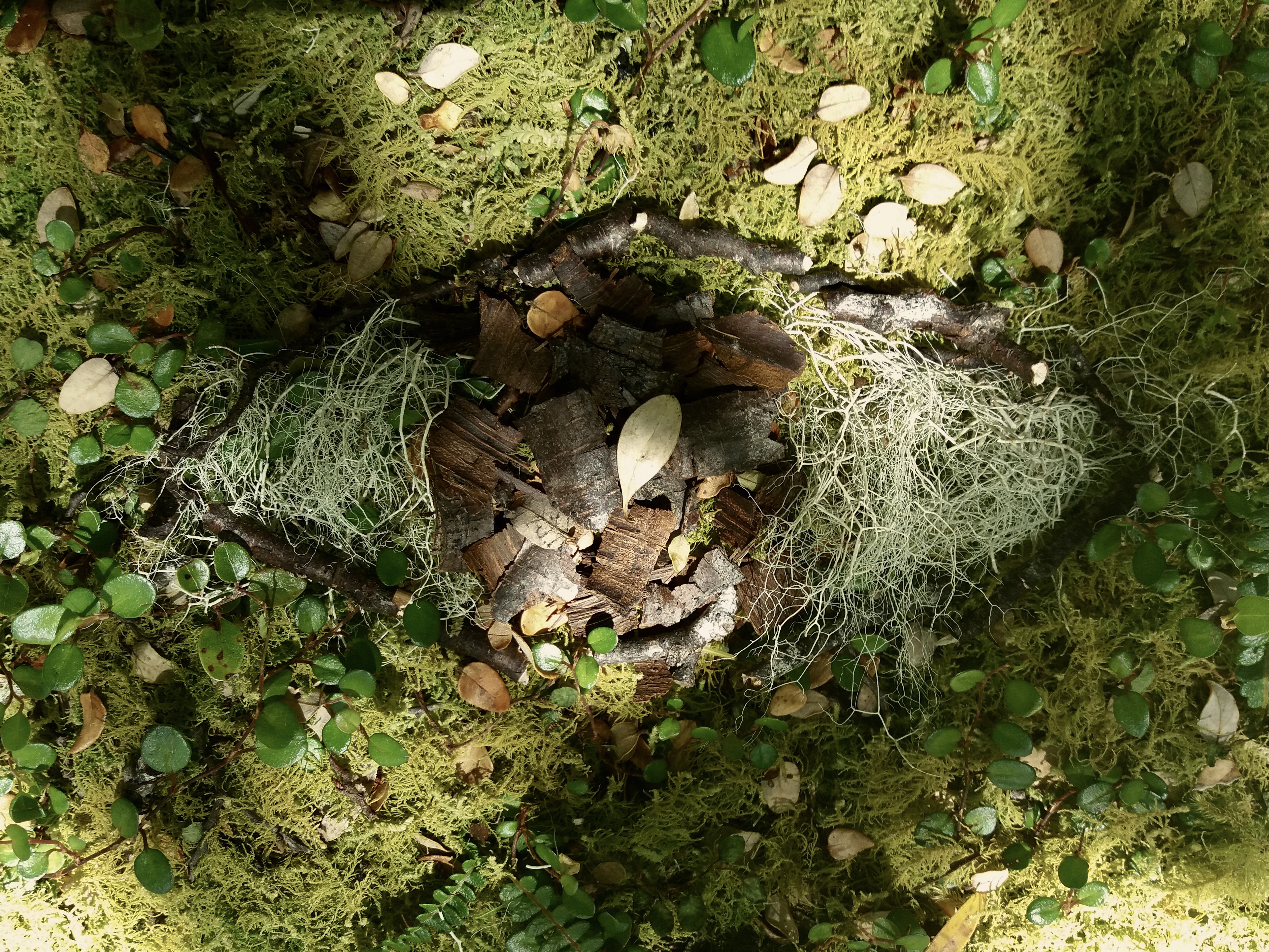
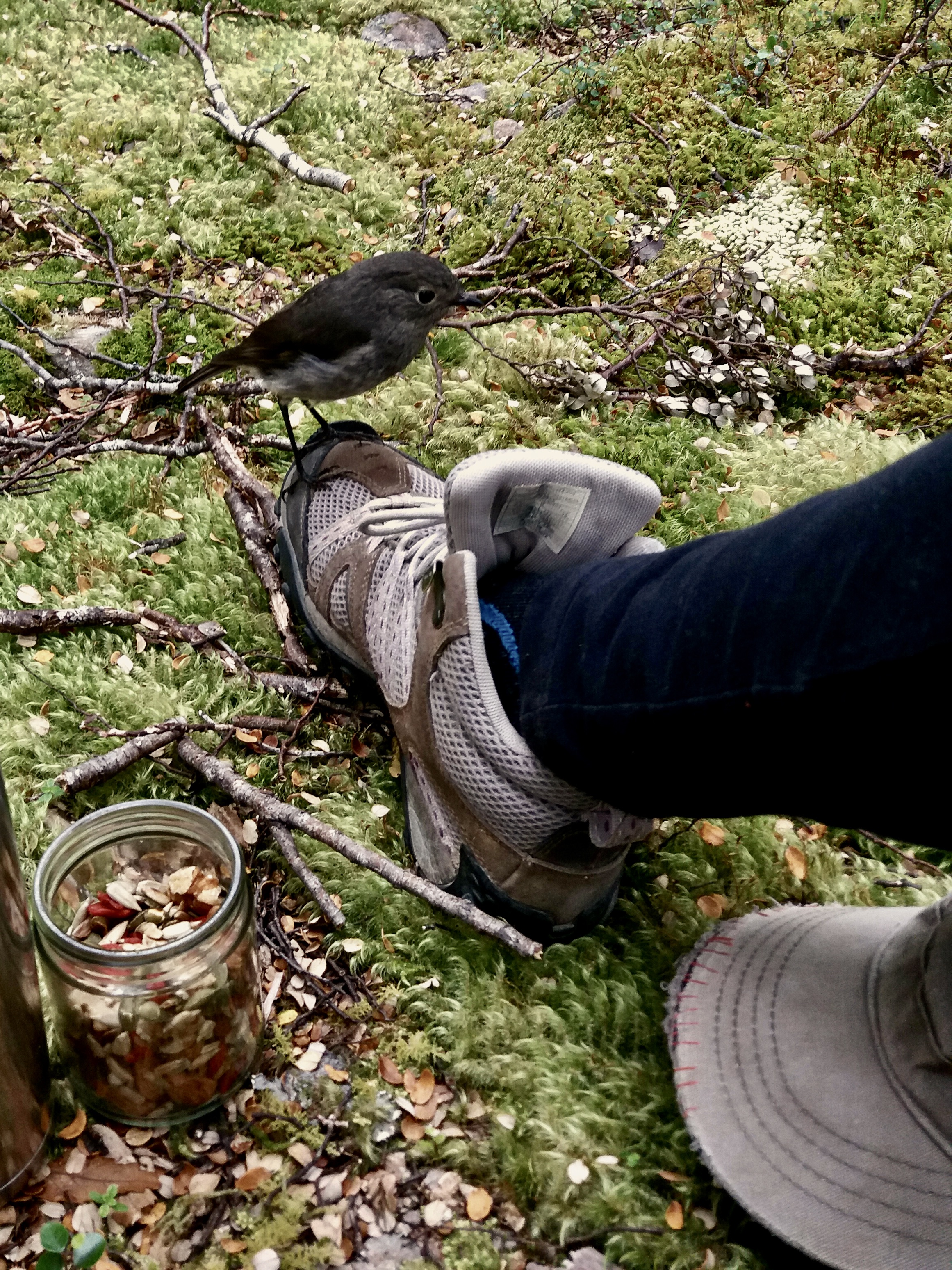
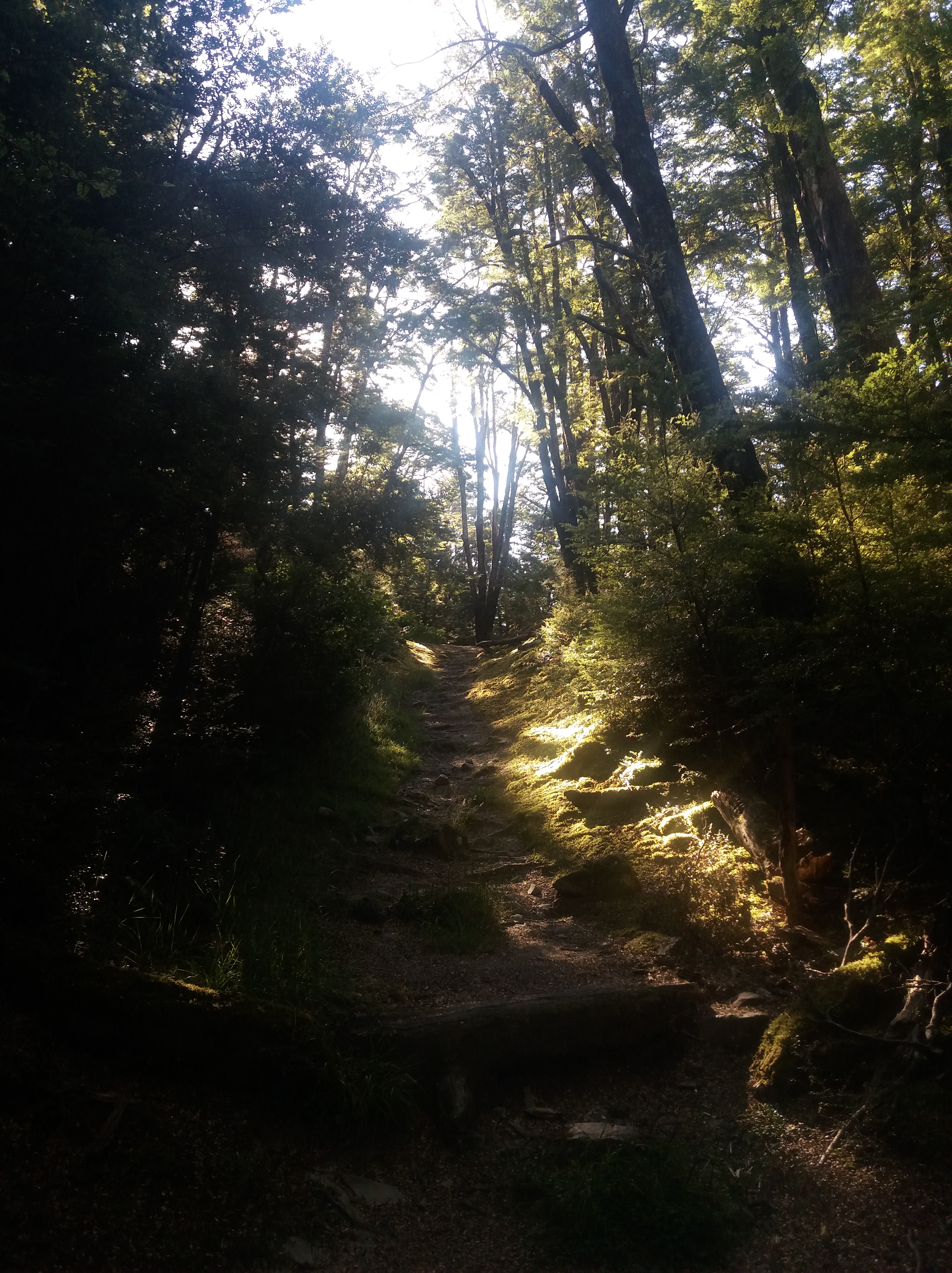
Life has it that we dropped into Arthur’s Pass (South Island of Aotearoa/NZ) for 10 days recently. We, meaning my partner, my son and I. The big guy was training on the Coast to Coast course – a daily adventure into stunning mountains and rivers. This left the little one and I some time to explore. Thanks to a visiting grandmother, some outings became veritably zen, solo windows, where the silence grew around me like a cloak and revealed many colours. I’d like to share with you some images of the process of shooting the music video for “A L’Aube” – the title track of my new EP. I had some nebulous visions forming somewhere in the wings of my mind, but these images actually found their form in the land at foot, at hand, at heart. Working only with found materials and letting chance be the guide, it is my delight to share with you… (see below for full video and link to the music)
The deep valley of Arthur’s Pass at nightfall. A veritable sun catchment during the day.The stone frame, captured stone by stone.The same river bed hosted resilient mountain daisies, which made their way into an eye shaped offering.Wandering along the river bed we came across a lone sand pit. Cold river water defined the contours. The rocks do see. These one will blink in the film.A mossy sketch done a few days prior, while out picnicking with my toddler.The glade that captured our hearts…The found materials palette yields an iris…Hours of twigs, bark and tiny little leaves…After hours of silent barefoot work, I put my shoes back on and was joined by an inquisitive Kakaruwai (South Island Robin) for refreshments.Inviting pathways and lingering moments of slanting honey light, followed, then followed some more.A sense of protection in the beech forest, with windows out to the great Waimakariri.
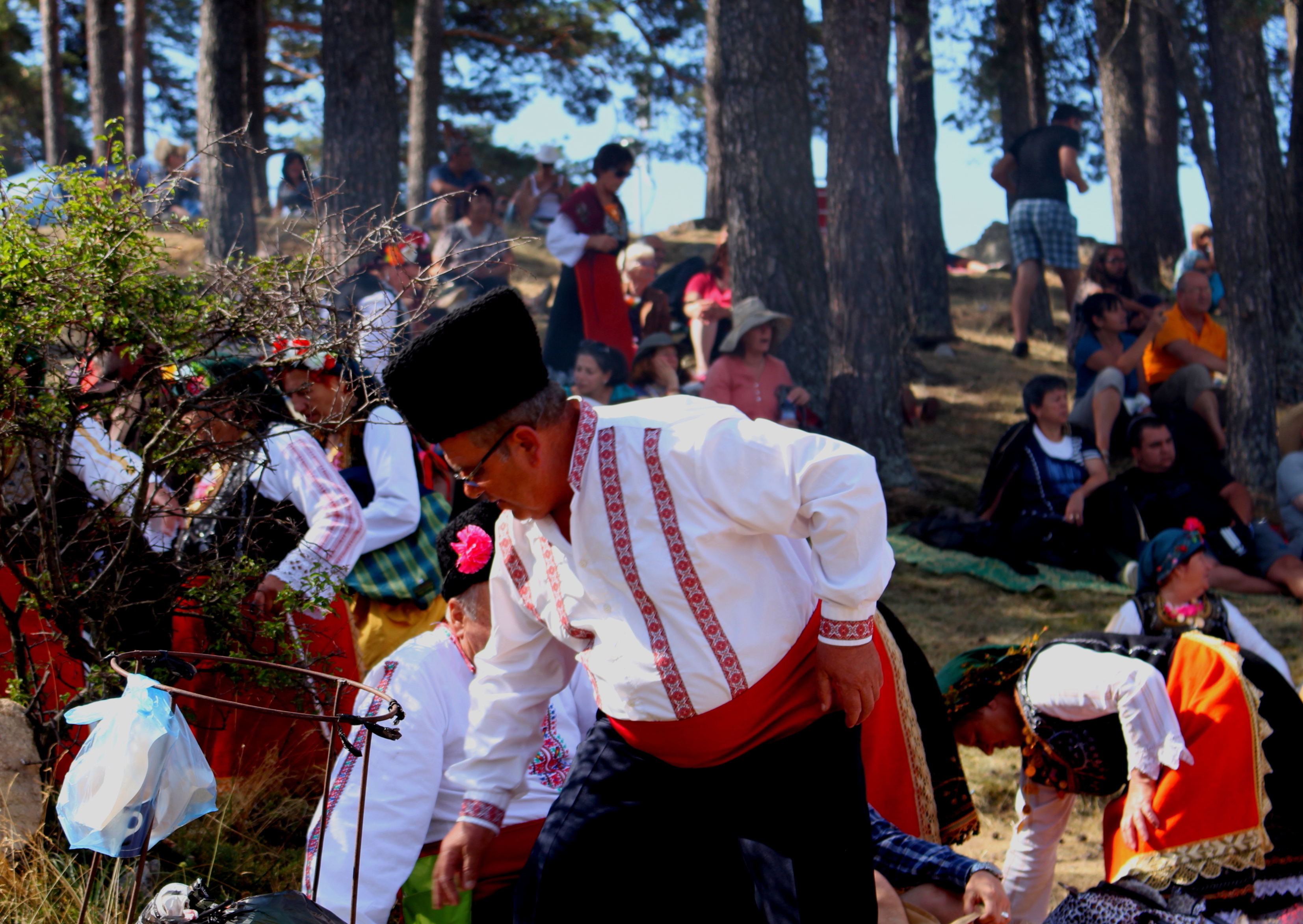
Koprivshtitsa National Folklore Festival happens only every 5 years! Named after the potent Kopriva (nettle), this seriously charming cluster of stone and wooden houses is nestled in the Sredna Gora mountains, in central Bulgaria. Renowned for its role in the 1876 uprising, Koprivshtitsa now opens its valley arms for 3 days and nights, to travelers from all around the country and the globe…
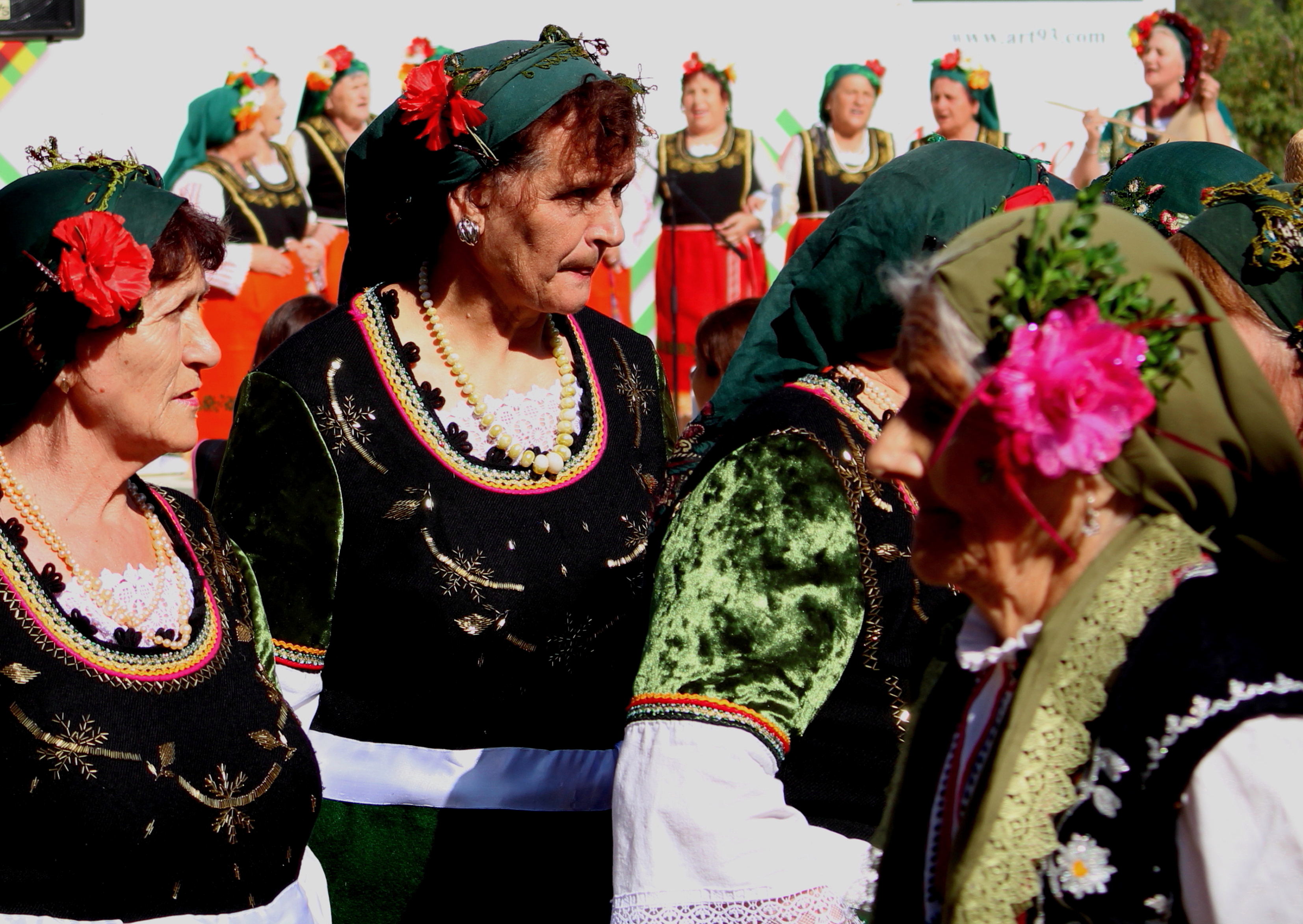
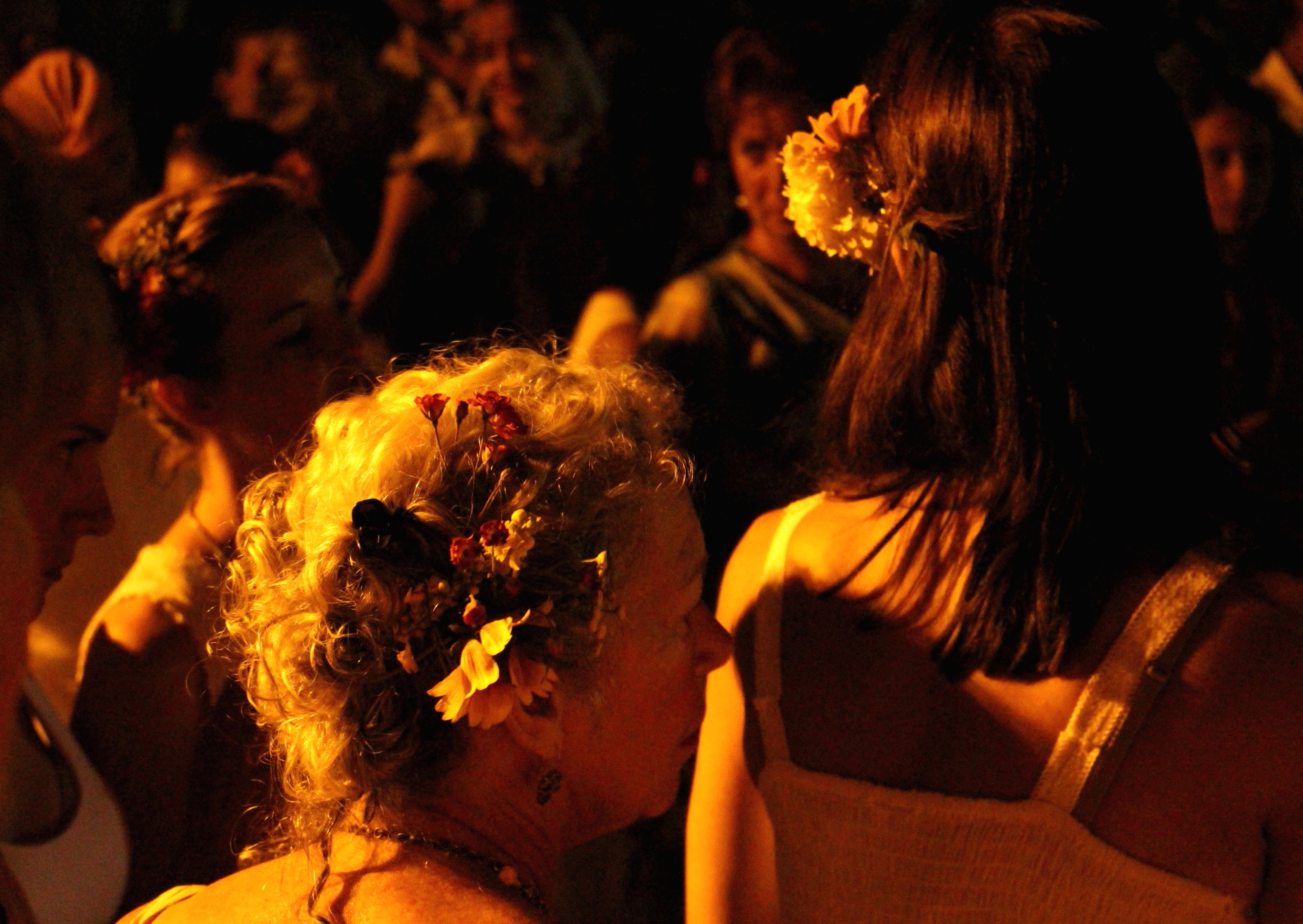
Fleeting impressions for me – in the bustle, in the heat… bus loads of singers, players and dancers from all over the country, come and go. Impressive army tents house these humble magicians, in the fields beneath the village. Fancifully-retro dressed by day, plain-clothe ninja’s by night. The best parties happen in the dark, long after the official program has finished, and yet, in broad daylight, flanked by beer sponsored parasols and busy promotional banners, swamped by folk-thirsty admirers in garish modern attire, they always seem to protect and carry the mysterious presence of their ancestors, both in their sound and movement. Powerful voices break through mediocre PAs, elegant feet fly in bewitching unison over plain concrete slabs, all beneath a heavy blue sky, between the tall pines.
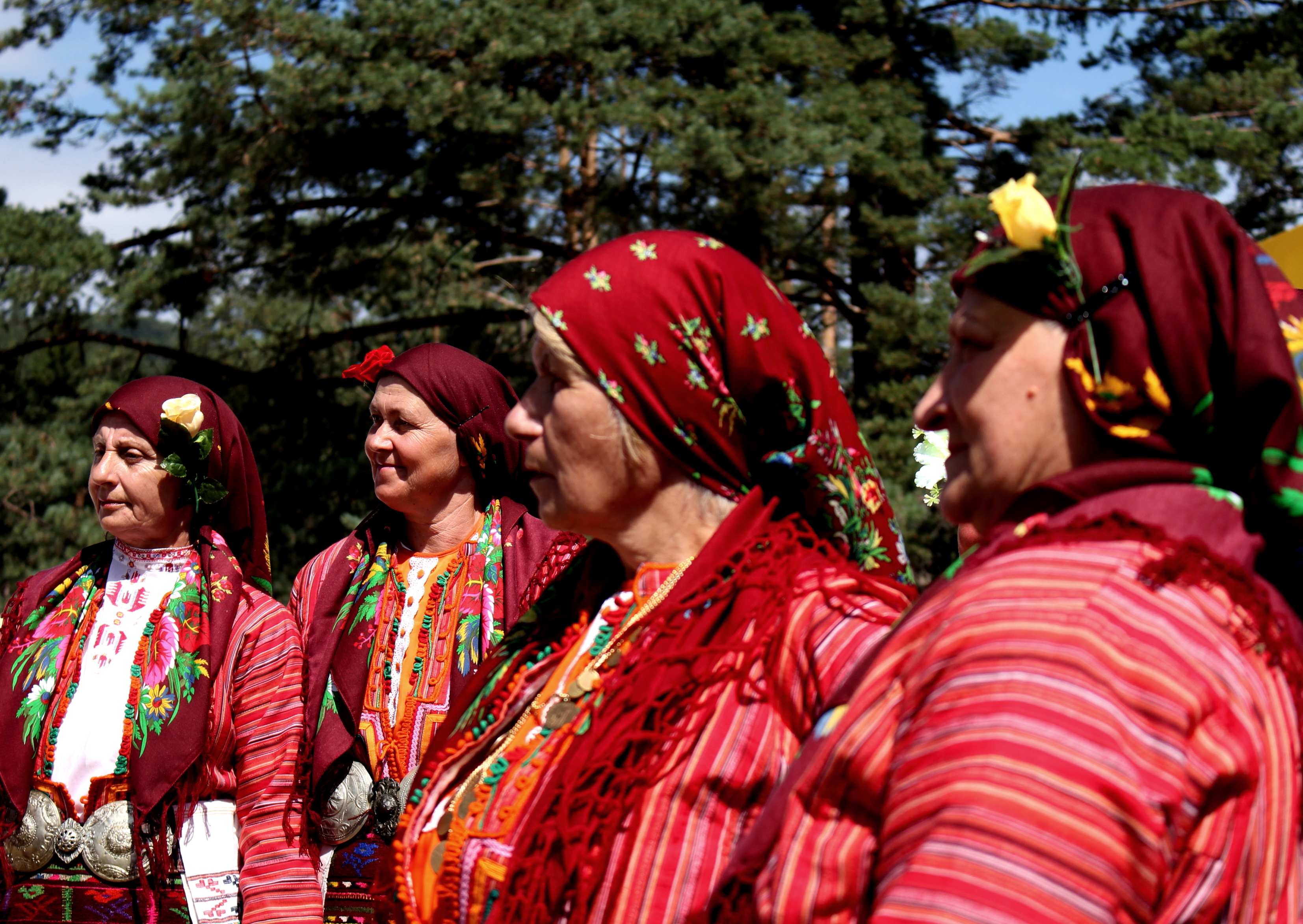
The most beautiful old women you have ever seen, brandish brilliant smiles with single teeth, wear showers of golden coins on their bosom, carry plump roses in their hair, and make their painstaking way up and down the mountain every day, from forest stages to cobbled streets, all in good time, laughing at us travelers, for a reason or two…


 photo © Shannon Aroha











 TUi MAMAKi