MEDENA ENSEMBLE IN BULGARIA

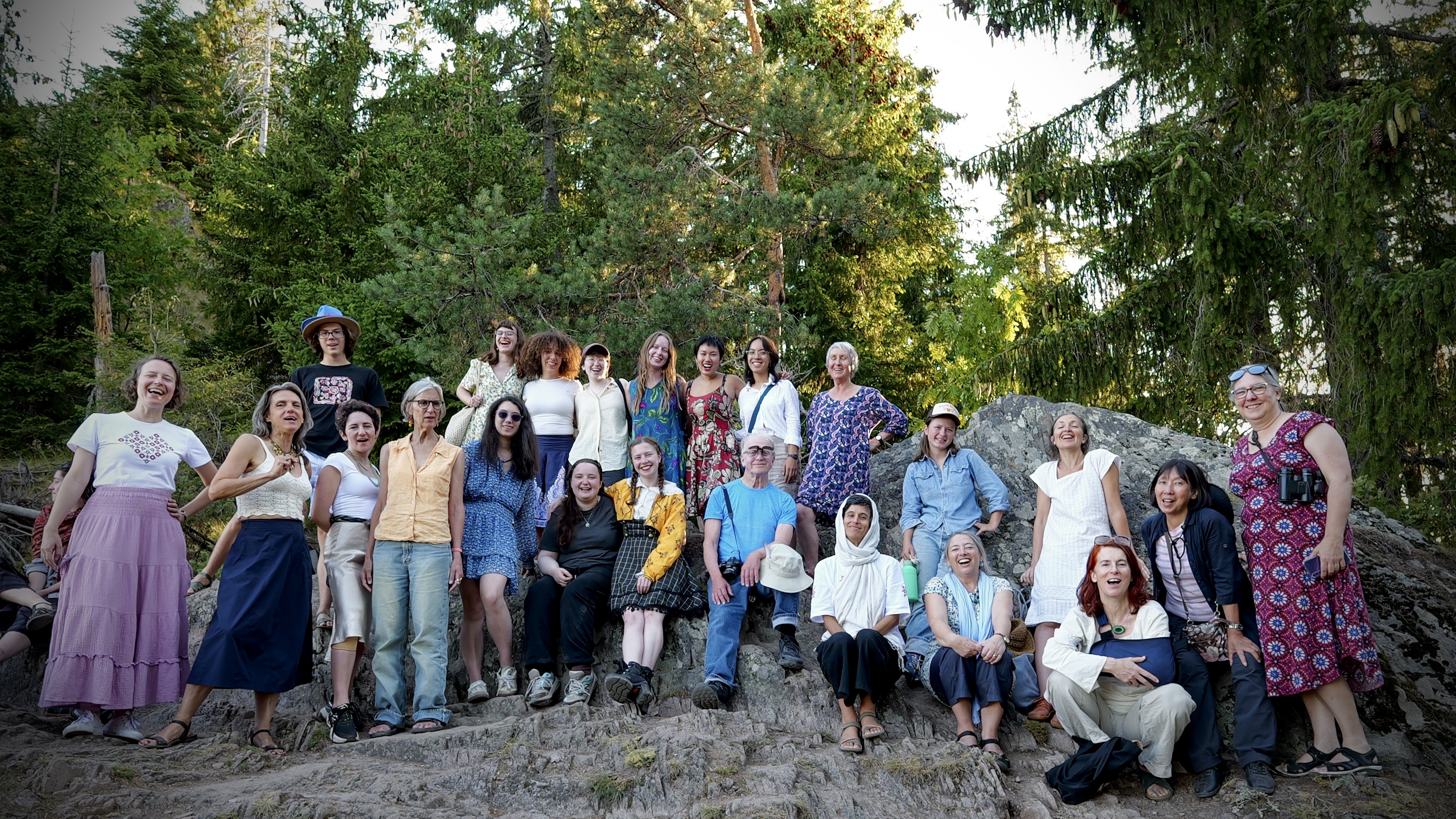
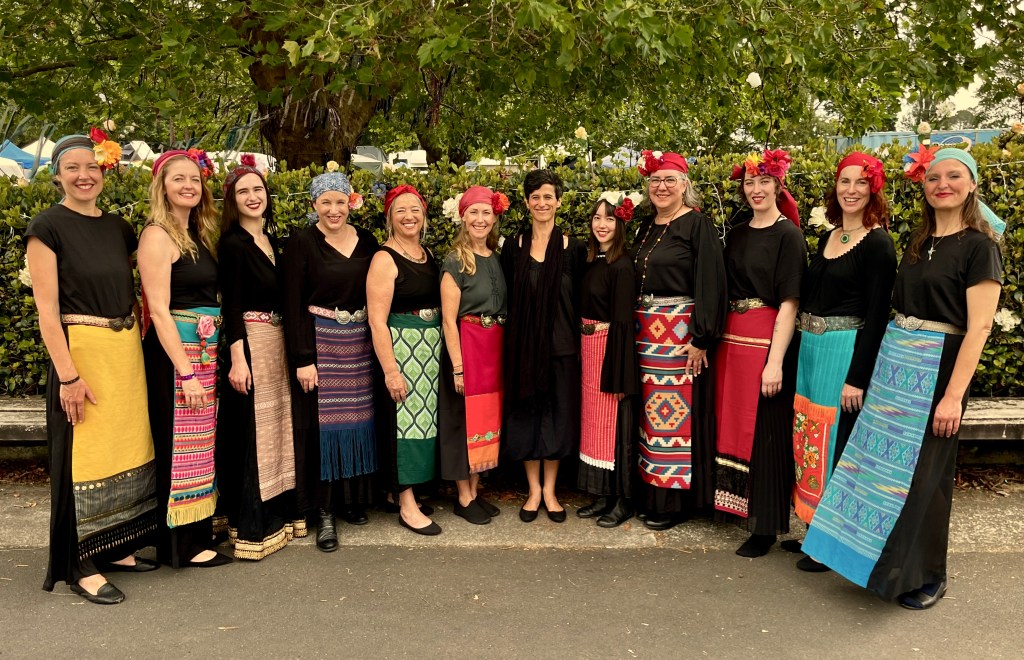
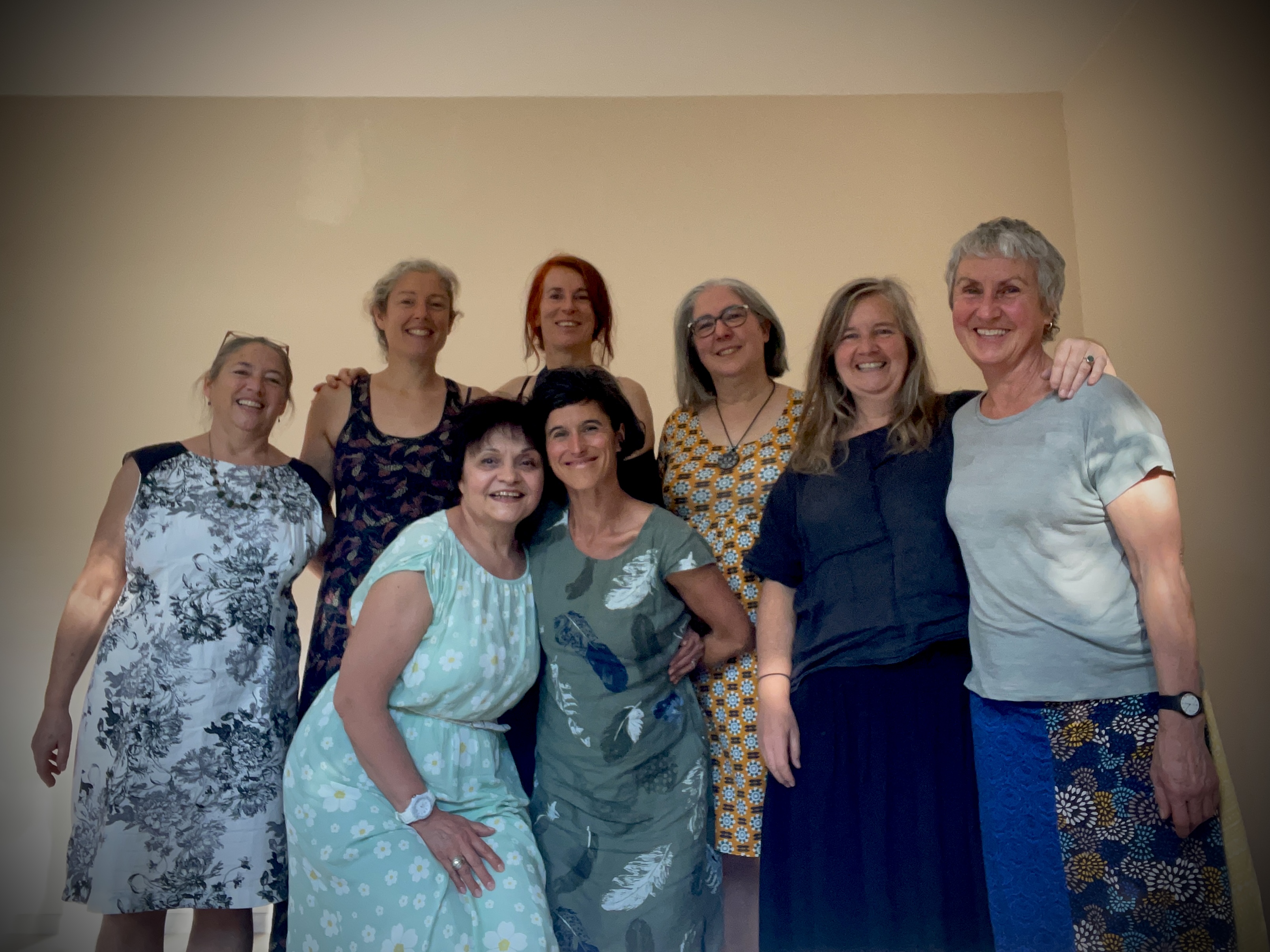
I used to feel at home in Bulgaria. I came back to NZ to nest. After 7 years of absence it felt imperative to return, for the music, and to introduce my 6 year old son to a place that has meant so much to me, alongside a touch down in my birth land, France. How was I to know that the budding collaboration with Vlada Tomova, of Yasna Voices (New York), would catch onto more than half of my singers here in Aotearoa. Early this August eight Medena singers travelled to Bulgaria, to the homeland of the music.

The main aim was to lend our voices to the celebration of a film, and to perform at the Koprivshtitsa Folklore Festival. Along the way we would study with phenomenal vocalists, gathering new ancient repertoire, techniques and inspiration. We would also partake in Vlada’s cultural tour, going deeper into the Rodopi mountains than I had ever been, it what would turn out to be a whirlwind of experiences.
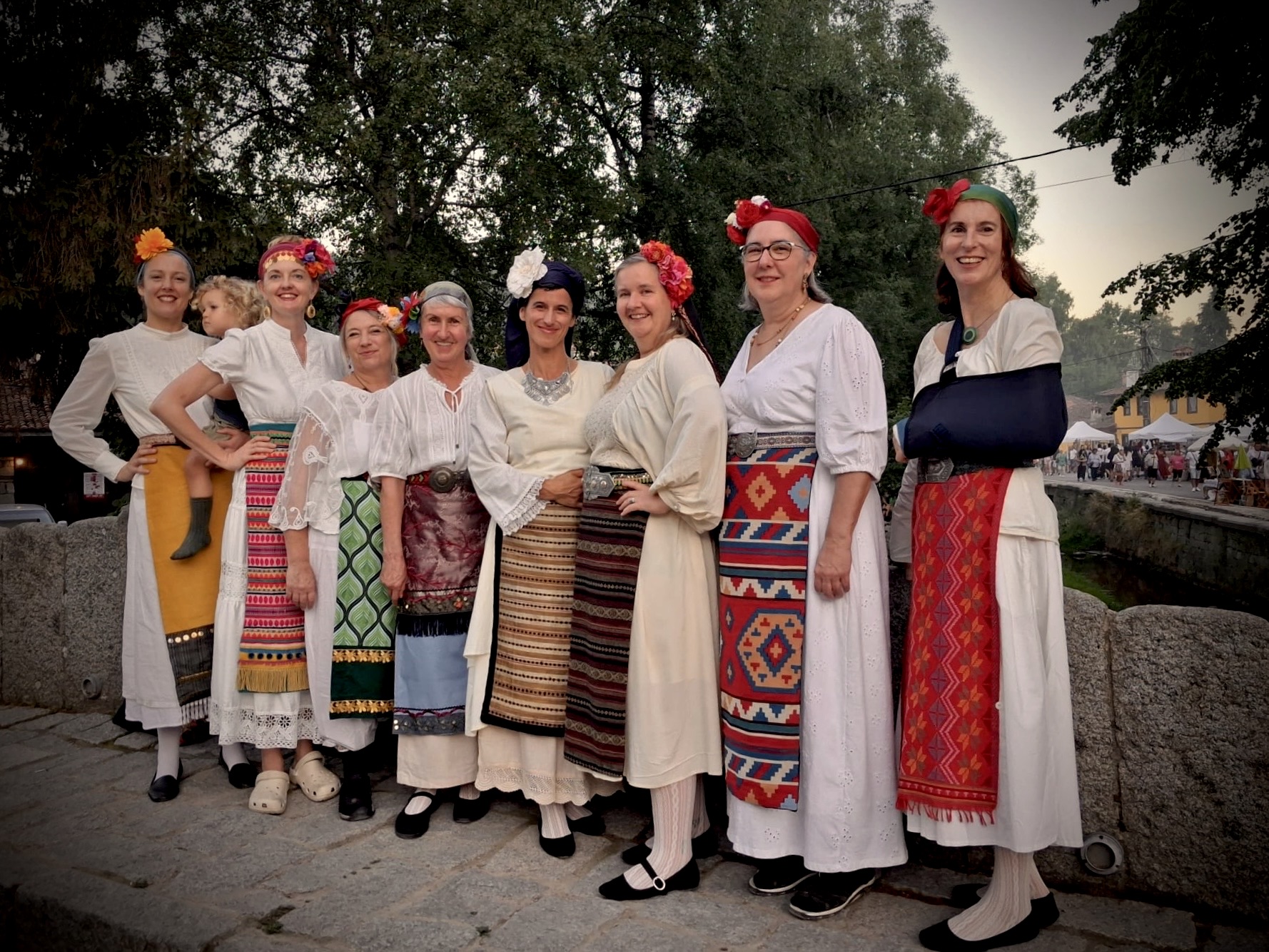
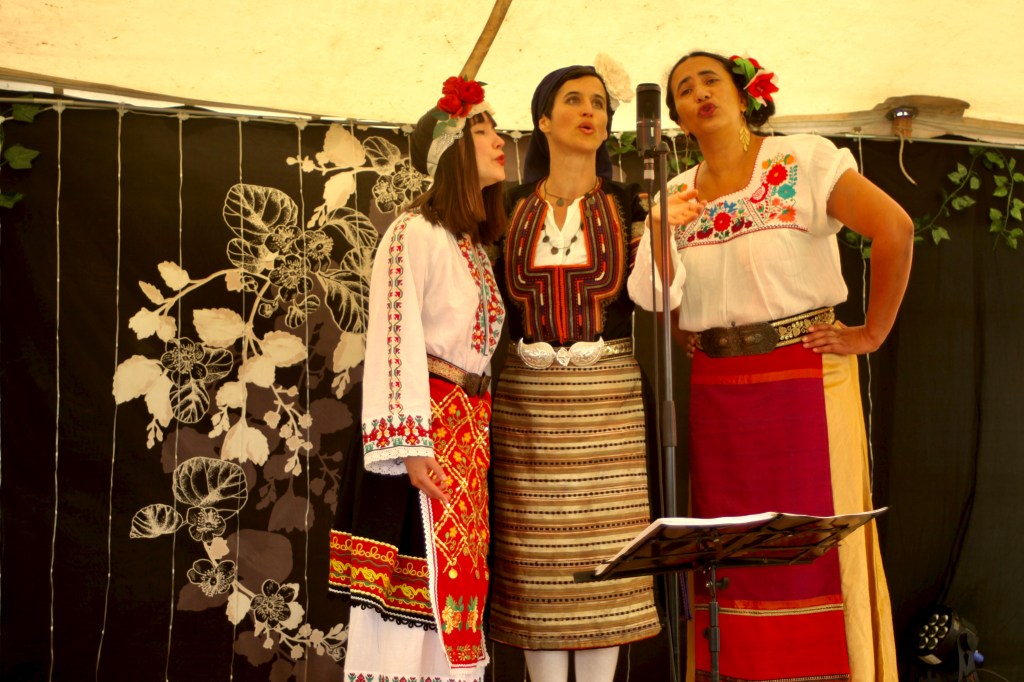
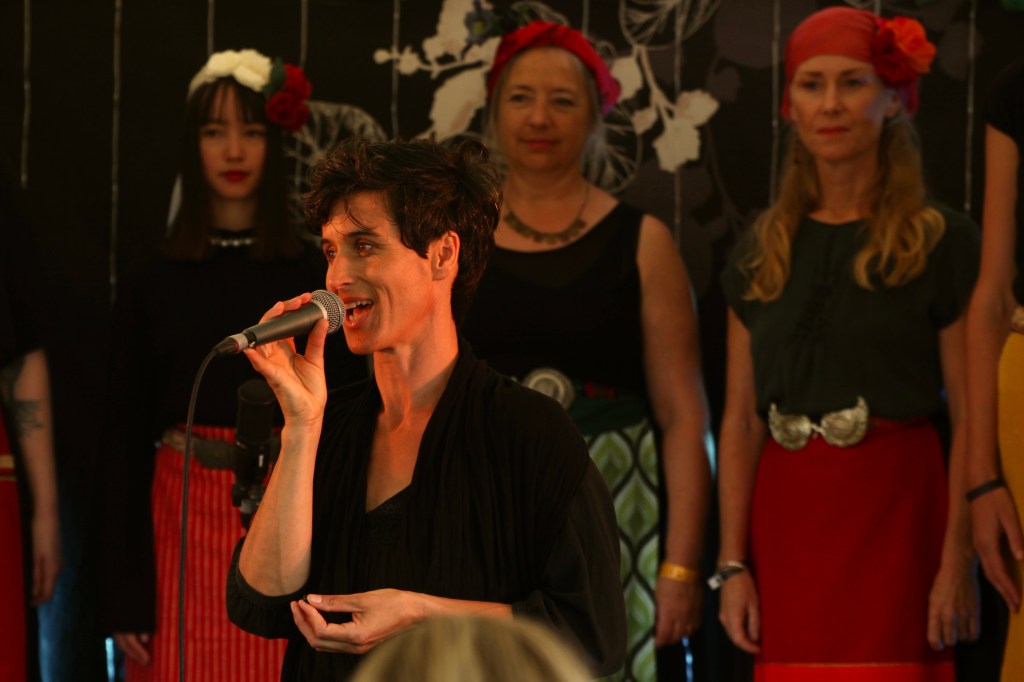
Koprivshtitsa Festival only happens every 5 years and gathers folklore groups of all ages, from all the diverse and proud regions of Bulgaria. It is brimming with village song, costume nuance and dialect. It was an honour to be invited to perform our own ‘kitka’ (bouquet) of Bulgarian songs as part of the international ensemble program, traditionally held on the village square, on the Saturday evening. 

We were a triptych of ensembles – from New York, Yale and Aotearoa – each with their own repertoire, plus 3 combined pieces. Our long distance preparation served us well. After just a few rehearsals onsite, we’d found a common sound and interpretation thread, under the musical direction of Vlada Tomova (Yasna Voices). Our anticipation of the flexibility required to do so was proven true – it was ultimately an enriching experience to understand that the underlying musical values of each ensemble leader can vary greatly, despite common repertoire, and joining in service was of the essence.

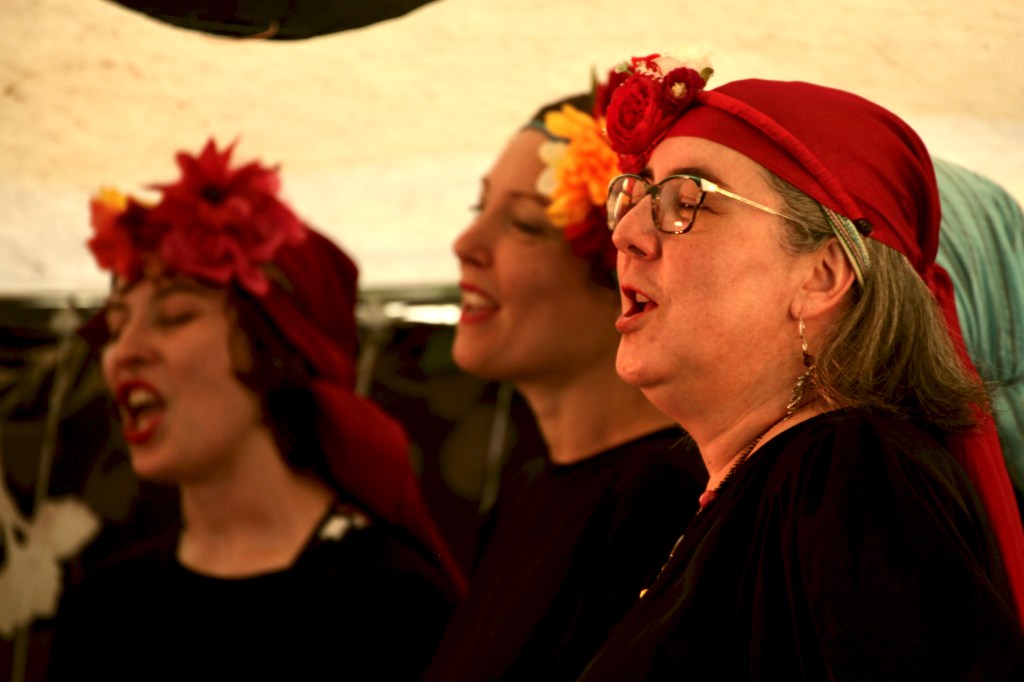
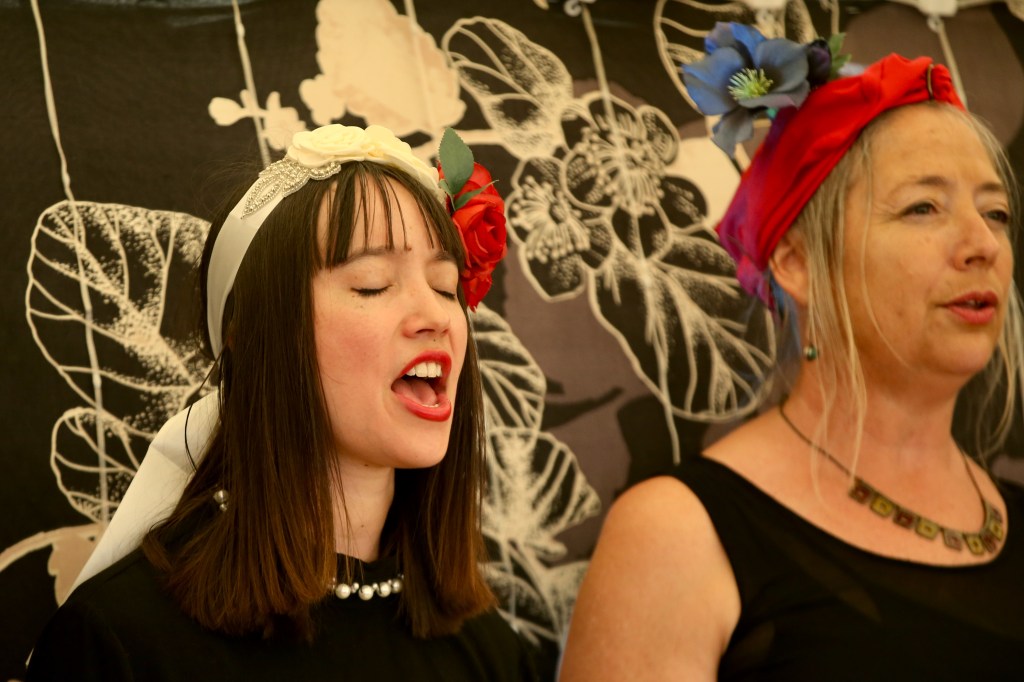
On the day, the program ran well overtime and our 8pm slot became 11pm. Keeping our singers warm and patient, heartened by the phenomenal journey we had undertaken around the globe, our performance took place in near darkness, after the ‘nestinarki’ (ritual fire-walkers) had taken the square.

The earlier part of the evening had featured large ensembles from abroad, sometimes regrettably singing over backing tracks – which might please some festive audiences but definitely disappointed those ardent acapella craftswomen who understand how powerfully vulnerable is it to carry acapella music – particularly in smaller chamber ensembles like our octet – something we work tirelessly for.

As we came off stage we were complimented by other ensemble leaders’ enthusiasm “Are any of you Bulgarian? How is it possible that you sing like this!” It was my dream to at least cause some doubt. Many of the international ensembles are in fact spearheaded by Bulgarian natives, living abroad, like Dessislava Stefanova, who leads both the London and Swiss Bulgarian Choirs, and Nina Wasilewa-Zanechev, who leads the ensemble Kitka, in Vienna, Austria – both utterly brilliant choral leaders.

Zdravka Dzhoreva-Peneva of the Bistrishkite Babi’s Granddaughters, appreciates what we do. Our ‘neizvesten’ (not famous) repertoire, the integrity of our sound and the heartfulness of our waiata. (It was very special to spontaneously feature a song outside the planned Bulgarian repertoire, being our arrangement of Purea Nei, which I wrote for my father, with a special unspoken dedication to Gabrielle Young, who passed just a few months ahead of a trip that she would have adored and shone in.)

I had met Zdravka in her home village of Bistritsa the week before, after a wonderful workshop with Dina Koleva – the leader of the 200 person strong collective of community ensembles. The film by Vlada Tomova that we celebrated that evening featured the Babi’s work in the context of Martha Forsyth’s phenomenal ethnomusicological contribution in the realm of women’s village song in Bulgaria (she gathered the lifetime repertoire of Baba Linka in a book called “Listen Daughter, and remember well”).

In a treasured moment, we had sung the Bistritsa Babi one of their own songs, which I had studied years before – apparently one of the most intricate. At Koprivshtitsa, Zdravka waited through the night to hear us perform. As the general crowd dwindled, the dedicated lovers of Bulgarian song remained. Some weeks later I was invited to her home for a traditional meal and laden with stories, music resources and costumes of encouragement, as our young boys played with the father, Plamen. Health and Flame.

Back in Koprivshtitsa, the beautiful old wooden house held 21 singers (another house nearby had 17). With local kai a volonté, wine and rakiya, with so many rehearsals in the courtyard, we certainly made memories. Perhaps our hosts did too, as I’m quite sure I saw tears in their eyes as we waved goodbye. 

The winding roads to Smolyan tested stomachs, and my son, sitting up front of the bright red 40 seater bus, made new friends with those who are prone. Smolyan – the stronghold of Rodopa music education – is nestled in imposing mountains, which surely inform the broad, resilient personalities we encountered there. Stunning singers and gaida (the Bulgarian bagpipe which welcomes you to the house like a karanga). Women sang, barely afloat above the tonitruante gaida – a kind of fierce duel provocation for the singer to resound as loudly as a bagpipe. Their luminous leader Fidan Merov burst into song at the table afterwards with Rufinka Bolna Legnala. I confessed I had studied it, but didn’t have the local power. He replied, there is power in delicacy. So I closed my eyes and sang for the fallen maidens.
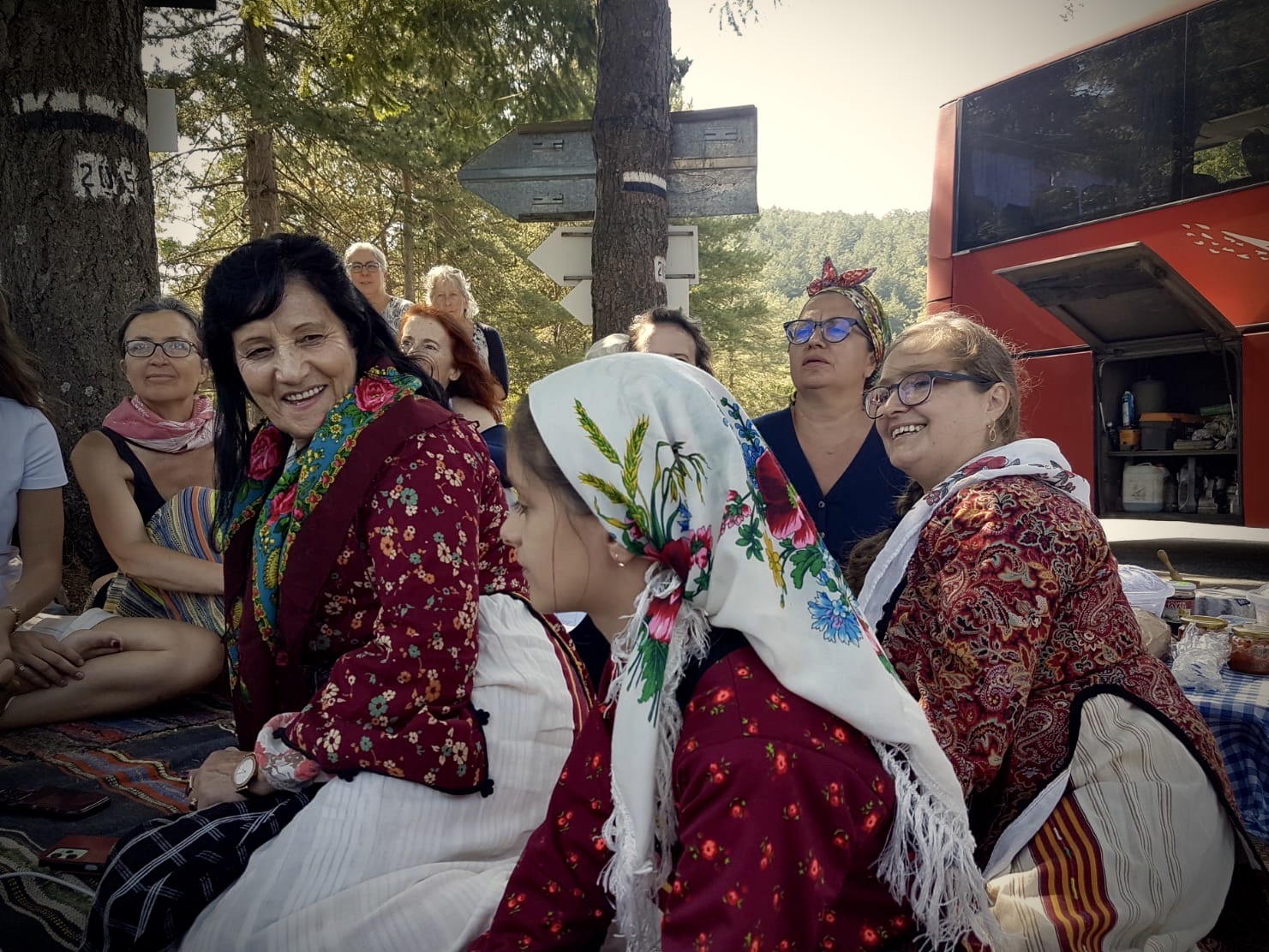
In nearby Nedelino – known for its utterly unique two part songs, where the voices interlace – we were welcomed by Lidia Hadzhieva and her delightful singing family. An utterly memorable homemade feast on a hilltop beneath the pines, turned Sedyanka (sitting bee) for the transmission of diphonic song, on colourful woven blankets. These encounters were part of Vlada Tomova’s cultural immersion tour. Her project, in part documentary, had us dropping into a church to sing, village songs, Orthodox prayer, and finally a collective improvisation, interweaving the minds and voices of the three travelling ensembles. 
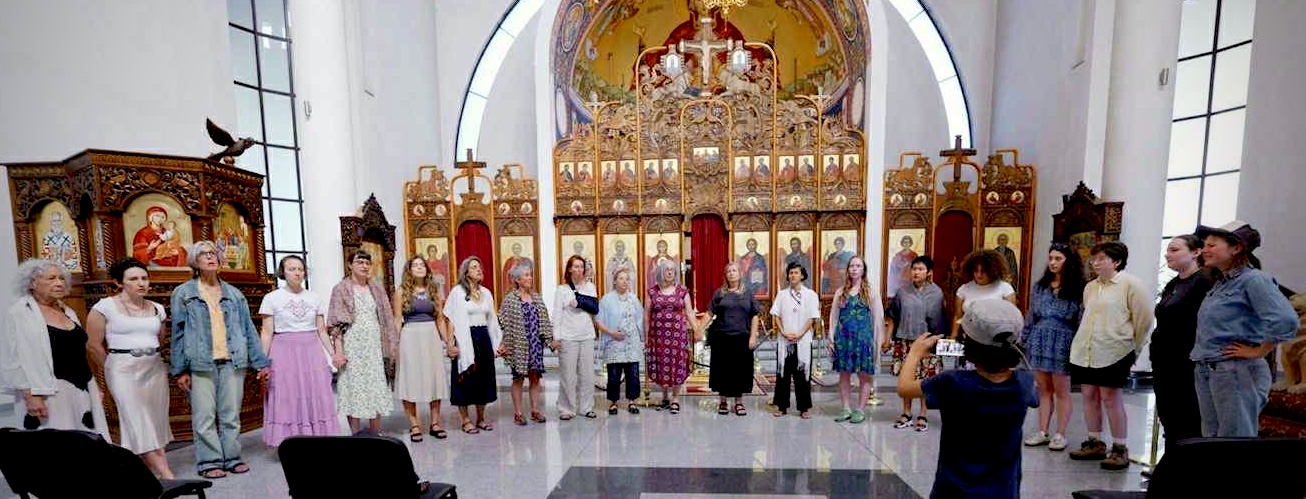
Often, the bus would be brimming with song, with different ensembles overlapping. Sometimes they were songs we had just learned, sometimes the famous favourites – which somewhat bored me. Here to learn new things, I found my equal in pursuit of timbre and repertoire in the lone traveller Makiko Ijiri from Japan, with whom I sang a Graovo duet on the Nevestite cliff tops in Smolyan. The emotion was high here as the location is named for the brides that leapt to escape their forced religious conversion. 

photo Aleksander Petrov

We concluded the combined tour with a celebration for 87yr Yanka Rupkina. My 6yr old son calls her “that queen who came to dinner”. With a lifetime of worldly musical adventures, the glint in her eye outshone her now quiet voice, and after listening to her beautiful stories, it was an honour to wrap around her to sing. On this trip I encountered many elder bodies, becoming light, frail, brittle, and was often reminded of my father – of how an artist can carry such riches of experience and potency for transmission, but that ultimately that the body will depart, and that all that has not been transmitted to the living returns to the great void. For another blog…
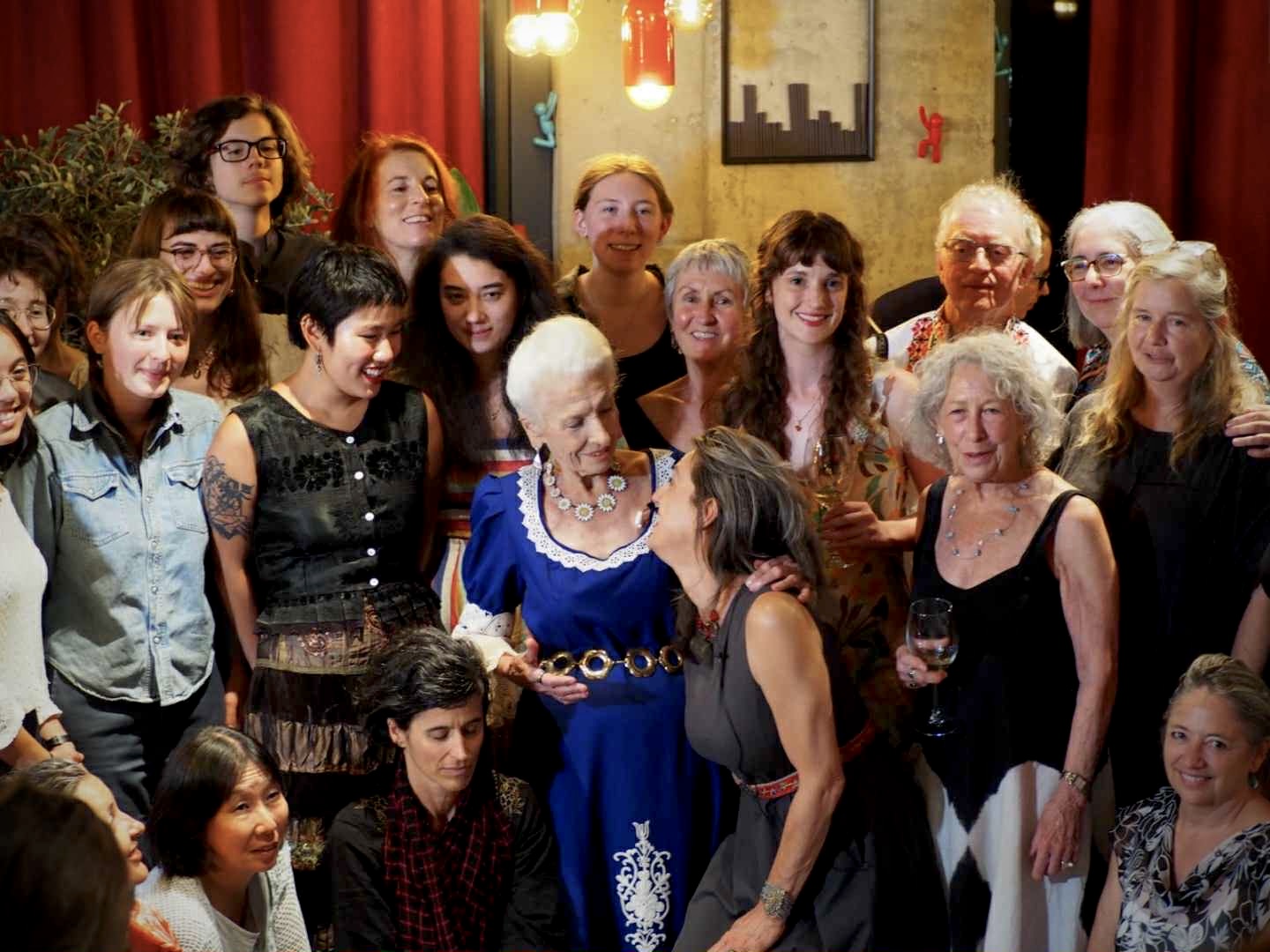
photo Margarita Borisova

Ahead of this collaborative tour I had designed a sequence of intimate group lessons for my Medena singers around Sofia and Plovdiv, with some my very favourite teachers: 
  1. Elichka Krastanova, my first teacher, one of the rare contra altos in LMVB, daughter of Nadejda Hvoineva, carrier of the most exquisite low resonance, matching her broad Rodopa mountain heart.
  2. Gergana Dimitrova, the powerful and gracious soprano of Eva Quartet, also in LMVB, who shared a beautifully ornamented song from her native Severna Oblast (North Western Bulgaria). 
  3. Diyana Vasileva, a young Graovo singer stepping in for Radka Aleksova, who regrettably has not the breath to sing after a recent heart operation. With Diyana we explored the open throated Graovo Tresene oscillations – a vocal technique so different to what we know, that it called on our bravery.
  4. Svetla Stanilova, my long standing vocal mentor from the Plovdiv Academy, who thinks I have done a rather fine job training my girls, and that we should enter a foreigners folklore competition (!)
  5. Dora Hristova, whom I finally managed to reach after the groups departure, and whom I interviewed for a couple of hours of fascinating conversation about acapella interpretation, micro-tuning to temperatures, and managing a world class cluster of rather different voices in a single ensemble for so many years. She has recently retired from leading “Le Mystère des Voix Bulgares” and she misses it as much as we miss her in their performance – which for decades was sublimed by her aural vision and speaking hands.

Post tour, I lingered in the Pirin mountains with my son, effectively waiting for the Nedelino Dvuglas (two voiced) Festival, where we were due to stay with our new dynamic teacher, Aneta Emilova. I had transcribed live performance audio of her ensemble performing in France many years ago. Putting a face to the sound is very affirming – just the kind of encouraging magic we need to continue this ‘lyubitelni’ (lovers of) life long musical journey. Unfortunately the political situation in France forced us to move our return flights forward and we missed the festival. One of our singers was able to attend and discovered there was in fact very little authentic “dvuglas” content in the program. Perhaps the organisers are looking to draw crowds, but such a treasure should be given its UNESCO protection due. Our teachers Lidia and Aneta said they are now very few to be carrying this living tradition. My hope is that Medena Ensemble, from across the globe, could be of assistance in supporting the appreciation of this unique art, and to our best ability, actually practicing it by keeping the repertoire alive, (our first workshops of the season is dedicated to Nedelino).
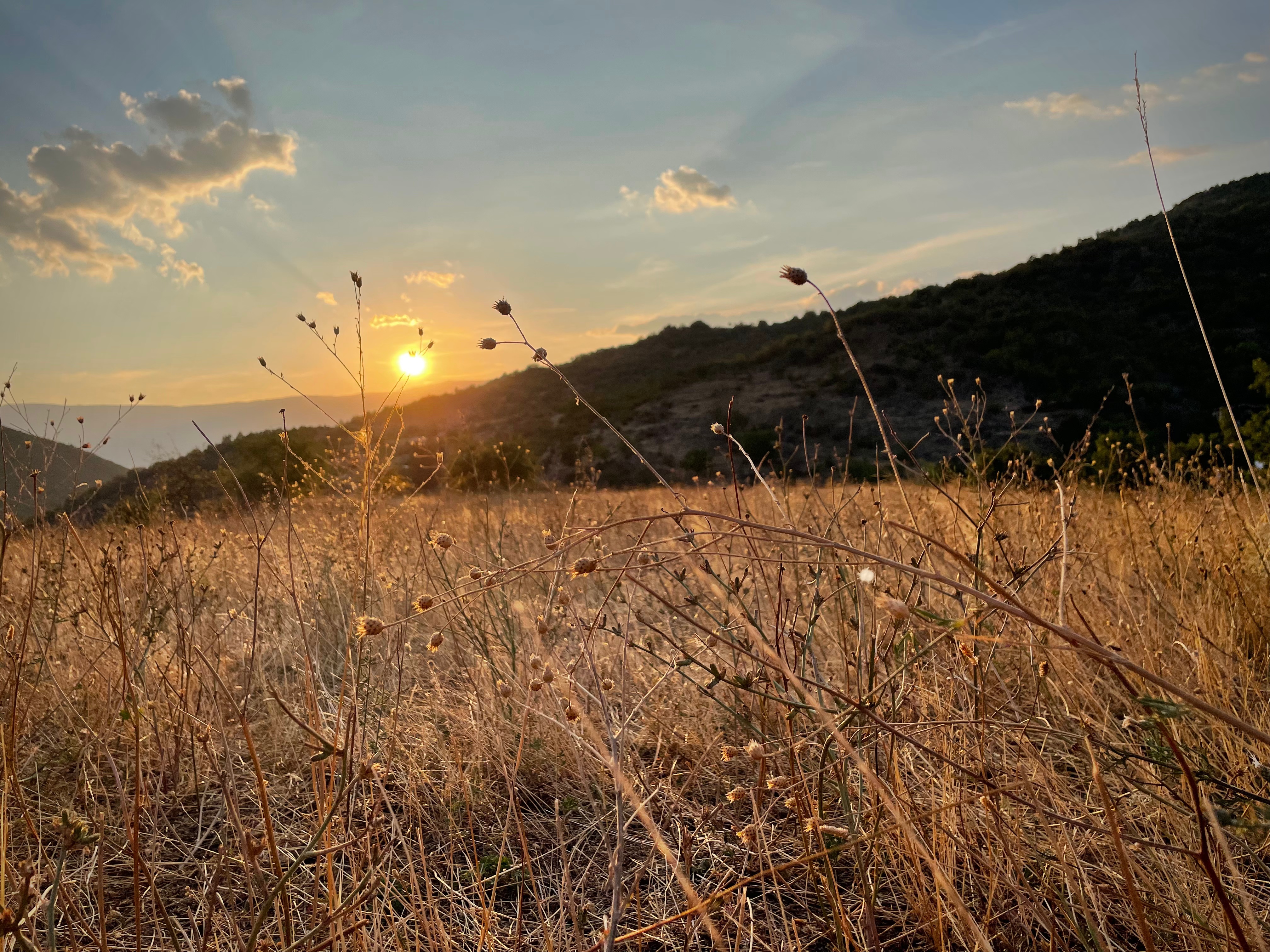
Back in Aotearoa, I pour through recordings and notes, and begin to refine the field transcriptions which will define the next arc of Medena Ensemble performance repertoire. These unique pieces, thankfully all encountered in person, are so distinguished from the multitudes of folklore recordings found online.  They sit in our kete, like freshly collected wild herbs, each with their particular medicinal properties, an innate power and a demand for reverence in the handling.

I have chosen 6 pieces for Medena Ensemble’s 2025 springtime season. Each workshop is standalone and actually open to singers from the outside. Please get in touch if you are interested in experiencing some of this vocal work. *Note that singers require some folklore vocal experience, or an individual introduction session, to cover the basics of the voice production ahead of the ensemble workshop.

MEDENA ENSEMBLE 2025 SPRINGTIME SERIES _ OPEN WORKSHOPS

4 OCT : NEDELINO village
= Potent diphonic mountain song, learned with Aneta Emilova

5 OCT : BISTRITSA village
= Driving diphonic trance-lore, learned with Dina Koleva

1 NOV : PLEVEN region
= Swift ornamented 7 rhythm, for trio, learned with Gergana Dimitrova

2 NOV : PIRIN region
= Beautiful slow 7 rhythm, for trio, learned with Gergana Dimitrova

29 NOV : RODOPI mountains
= Uplifting frolic song, for trio, learned with Elichka Krastanova

30 NOV : RODOPI mountains
= Languorous ornamented solo, learned with Elichka Krastanova

ENQUIRIES : tuimamaki@gmail.com / 021 155 55 82
www.tuimamaki.com/upcoming-events/

Daughters of Orpheus

The threads of song are sometimes the only thing that seems to last
As if, in their ephemeral nature, they conquer death itself

It is the breath that carries the life force
It is the breath that releases it to the world

The song lines belong to the before and the after
Beyond a single body, beyond a single mind -

As we exhale through song, the trees breathe it in
And in turn, their oxygen sustains the song lines
Of another generation, in fact we breath the breath
Of our ancestors, in concentric circles of surrender


The Daughter of Orpheus have spilled out of the borders
And all around this earth, women sing Bulgarian Folklore

Medena Ensemble, whom I have been leading, and now fold into
Have been invited to collaborate in Bulgaria itself, this August

What a great journey to keep the fires burning for !

In celebration of our new song cycle that reaches across the oceans
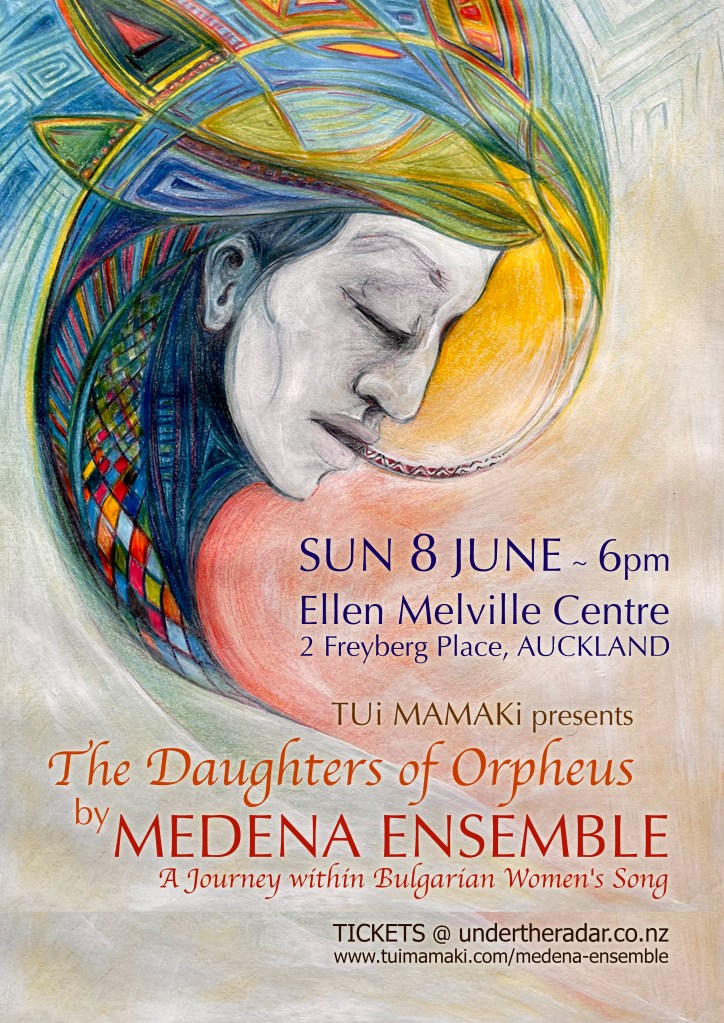
We would love to sing for you on Sunday 8th June, 6pm
If you cannot join us in Auckland for this live vocal event, there are other ways you can support the expedition, like contributing to the give a little fundraiser, that our voices take flight ...


DAUGHTERS OF ORPHEUS
Sunday 8th June, 6pm
Ellen Melville Centre, Auckland

Aotearoa’s premier Bulgarian Folklore Vocal Ensemble, lead by Tui Mamaki, present their new collection of exquisite acapella offerings - carrying song threads from afar, with a longstanding passion for, and dedication to, the craft.

“The Daughters of Orpheus” is a vibrant feminine tapestry of traditional Bulgarian song, where classic choral arrangements rub shoulders with obscure rural treasures, at times arranged for improvisation. This song cycle is specially prepared for Medena Ensemble’s upcoming collaboration with the long standing New York based Bulgarian folk choir, Yasna Voices, at the renowned Koprivshtitsa Festival, in Bulgaria this August.

Orpheus was said to make music so beautiful that stones would roll, and trees would uproot, to be able to follow him and listen... All the women who carry folklore song threads in Bulgaria are deemed to be “The Daughters of Orpheus”.

During their time in Bulgaria, the singers will also engage in some specialised vocal study with masters in the music including, the Bistrishkite Babi, Iliyana Naydenova, Svetla Stanilova, Hadjievi Sestri, Neli Andreeva, Radka Aleksova, Gergana Dimitrova and more.

The Medenki invite you to celebrate and support their inaugural journey to the source of this enchanted mahi! Attending this concert is one way of doing that. Another is to contribute to the givealittle

BUY TICKETS
CONTRIBUTE

www.tuimamaki.com/medena-ensemble
www.youtube.com/@MedenaEnsemble
www.facebook.com/medena-ensemble

Join and share the facebook event

Chapel of Sunlight Through The Trees

One revolution around the sun since Acapollinations planted their roots on stage at WOMADNZ. If there were words to accompany this live recording :

I would write about –
What it is like to sing flanked by
Sally Jamila Howe’s cinnamon wood & earthen bass
By Chelsea Prastiti’s salty Cyprus island clamour …


I would write about –
The WOMADNZ audience, who are like plants in their (g)listening
And that chapel of sunlight through the trees
As if we had come home to the Bell Dell Stage
Home to a people and a place – 
To the depth & colour of the listening culture of that festival.
And how much I miss them

I would write about –
How it was to sing, exposed
And supported
Like Trio Bulgarka, who say that
Yes, this is demanding
Nothing to hide behind
Nothing to ride upon 
But the expectant silence
And so, breath does become music
And the voices are both 
Vulnerable & sovereign

(I spent years battling stage sound to allow the full frequencies of the voice to be heard over amplified instruments. And here we are now, with all the space in the world to weave our timbre through, to make a forest, for a moment or two … )

This gift of space comes with its dare – 
I dare you! 
To occupy
To inhabit

The voice –
Which speaks of everything we have come through
Which speaks of everything we dream of
But most of all,
Is the touch of the sound of a moment that we share

These stories
These temperatures of the soul
Today

Thank you, for listening anew !

ACAPOLLiNATiONS live on the Dell Stage @ WOMADNZ, Sunday 19th March 2023, recorded and mixed by Paul Jeffreys.

River of Song

It has been a long time I’ve not found the words…

                                       Photo Trevor Villers

Something about… the River of Song. The one that flowed before we earthed, the one that will continue after we are gone. Old songs, fresh takes. Two Ensembles I lead, Acapollinations & Medena Ensemble, had the pleasure last weekend of sharing this devotion – in joyful colour and resonant bodies – at the 51st Auckland Folk Festival ! Tender eye, Trevor Villers & the young Sabine Mignault were there to capture moments during our acapella contribution to the “Songs From The Old Country” program.

These images are a trace of a sound, first of all. The sound that originates before it begins. The open, connective shapes that we align with, before the voice is even heard. Our dedication to the continuum of vowel matter as musical line. The un-ending, un-starting river running, that we join for a while. Breath as an integral part of the wheel of sound, naturally occurring as a consequence of complete, and devotional, delivery of the musical phrase. The gift of love in motion, released to the world.

The stirring continues…

In lending myself to the propagation of beautiful dissonance, trans-cultural vocal calibrations, and an intentional return to the vulnerable, powerful, ancient arts of acapella music – I’d like to share with you our upcoming Workshops & Concerts :

1. “Like Ringing Bells & Howling Wolves” Interferential Diaphony Workshops will pop up in: RAGLAN next Sunday 11th Feb (half-day) and in WELLINGTON on Saturday 2nd March (full-day) REGISTER HERE

2. ACAPOLLiNATiONS Trio, featuring the fresh soprano raptures of Gabrielle Young (Cantonese-Belgian-Kiwi), are taking their “M/OTHER Tongue” repertoire to Festival of Cultures in Palmerston North (Saturday 24th February) and Newtown Festival in Wellington (Sunday 3rd March). See you there!

3. For those of you taken by the honeyed voices of Medena Ensemble, save your Sunday 19th May to join us in the beautiful wooden heart of the Unitarian Church, in Ponsonby, Auckland @ 3pm.

“A La Claire” (music video) to celebrate the new ACAPOLLiNATiONS album M/OTHER Tongue

When I enter into the process of arranging a traditional song, I take comfort in the lineage, the generations of singers, the hardened, gnarled sinew of the melody, over time… Because the song exists as a living entity of its own, I can literally sit back and listen to the wishes it has for us. Of course, they come through the lens of what I believe to be possible, but most often, the vocal parts present themselves and there is a sensation of revelation – quite the opposite of thinking. Making a moving image for the recording is much the same – while out walking, I can see things unfold in my minds eye, but once it is time for capture and I am with camera in hand, it is an entirely new process, where one follow leads and accept invitations… As if those ideas were just something to leave behind.

This arrangement was made for my grandmother, who taught me this song as a child – with her voice like a flute made of light. I remembered the feelings more than the words. This arrangement is also made for the eternal maiden within, who will always feel things to the fullest, and who enters into communion with the natural world each day – taking delight in the slightest of things.

Nothing purer than dew - 

Dew that does not last,

But refracts a sunlight wonder, 

For those who do attend.

Bird, leaves and promises to the wind!

The capacity to lean into a body-soul encounter,

All the while maintaining a body-soul sovereignty.

The new ACAPOLLiNATiONS album M/OTHER Tongue (2023) is a multi-lingual, compelling collection of colourful folklore songs, where archaic musical systems are reimagined for three vivacious voices. In this recording, Tui Mamaki (French-Kiwi), Chelsea Prastiti (Greek-Kiwi) and Sally Howe (Cook Island-Kiwi) interweave songs from their grandmothers – both genetic and imagined – with a bespoke repertoire issue of Tui Mamaki’s love affair with Bulgarian Folklore. Evocative melodies, stirringly close harmony and stories we all know – of longing, harvest and transcendence – heard anew.

Purchase the M/OTHER Tongue album (physical or digital) here

Get tickets for Sunday 12th March Album Release Concert here

See ACAPOLLiNATiONS @ WOMAD NZ on 18/19 March 2023

M/OTHER TONGUE – Nouvel album du trio néo-zélandais ACAPOLLiNATiONS

Beautiful words from Pierre at La Maison Jaune…

pierre david's avatarLa Maison Jaune, le Blog

Album à paraître ce 01/03/2023

La chanteuse TUi Mamaki, rencontrée en 2018 à l’occasion de la parution de son EP Hear My Voice (Beating Drum 2018), est une de ces personnalités singulières qui ne cessent de creuser le sillon d’une poésie unique, empreinte ici d’une forme de sacré connecté aux traditions vocales.

photo © Shannon Aroha

Au sein de son trio vocal a cappella Acapollinations, TUi Mamaki annonce un nouvel album et une série de concerts..

Acapollinations a fait ses débuts en 2014. Partant du principe que les voix, les cultures et les rythmes s’interpénètrent, ce trio réussit des adaptations envoûtantes et impertinentes de la polyphonie balkanique, avec une touche d’improvisation Aotearoa (nom Maori pour désigner la Nouvelle-Zélande). Des rythmes irréguliers, une harmonie émouvante et les voix évocatrices de Tui Mamaki (Franco-Kiwi), Chelsea Prastiti (Grecque-Kiwi) et Sally Howe (Cook-Island-Kiwi) sont les éléments essentiels d’un registre hautement…

View original post 103 more words

THREADS

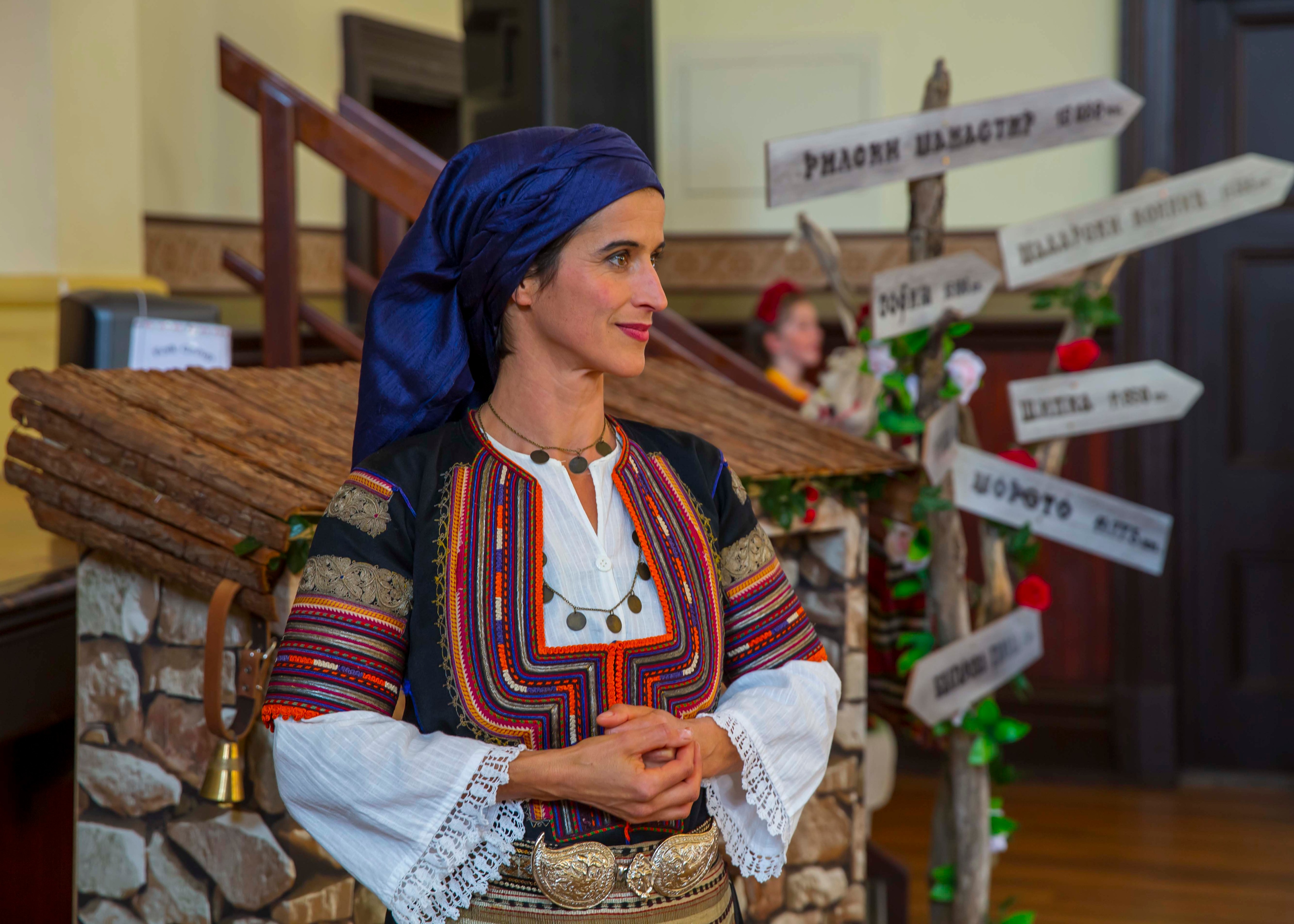
When I was in Bulgaria, learning their exquisite songs, I would fill my eyes and mind with the rich colours and patterns of the regional costumes, and I would feel both attracted and dissociated. How could a chujdenka (foreigner) even imagine wearing garments so full of story and nuance, so full of regional roots and affiliation. So, I let it be for them.

Then one day, a woman asked to meet me for coffee. To give me her baba’s saya (grandmother’s costume). Say again?

I sat across the little table, listening to the family stories and their wider political implications, feeling that the simple paper bag lying there, between our cups, held some kind of bomb or treasure, like a home-fire, like a message from another place, like a leaping and joining of hands between generations, cultures and languages.

This costume had been made by hand, for a life time of wearing, and for generations to come. Now it was leaving the family fold to follow the thread of song…. A chujdenka had come, with her passions and admirations, with her devoted study and shortcomings, and had started to carry old song in a new way. The costume came into the picture like armour, like a blessing, like a cheeky, irreverent door into the yes-ness of transmission. See it for yourself!

Stanislavka Barbutska (1915-1997). Here at the age of 30, and mother of three, pictured with her husband, parents and siblings, wearing the saya (costume) that she made with wool from her own sheep, and cotton from her own yards. Raised in Egalnitsa, a small village 35km North-East of Kyustendil, Stanislavka was the 2nd of 4 children to survive – born to Kostadinka and Simeon.

In this picture (1945), Simeon, her father, has just had his factory nationalised, and communism will begin to separate people from their gardens, and songs from daily life. The greatest choirs on earth will be created – with singers from all around the country – and will make Bulgarian Folk Song famous around the world, but at a cost. Many will lose touch with the practice of song in their own lives, in sedyanki (working bees) and harvest, and it will be relegated to the stage for, albeit stunning, demonstration by professional ensembles. Photo courtesy of Slavka Kukova.

Stanislavka wanted her granddaughter to be free from the power of men, and encouraged her to become a lawyer. Still, the memory of fertile summers in the countryside were strong for a child otherwise raised in the town of Plovdiv.

Slavka gifted me her grandmother’s saya in 2016, after discovering the music of my trio Acapollinations and feeling it that was something novel, yet honouring of the energy and lineage of Bulgarian Folk Song.

It was 6 years before I found an appropriate occasion to perform wearing it. Here singing the slow song “Gyuro Dobwr Yunak” from Trakiya (taught to me by Svetla Stanilova in Plovdiv) at “The 2nd United Concert of Bulgarian Folk Groups of Australia & New Zealand” in Melbourne, 2022. Photo by Radost Ratcheva.
The traditional technique of swrma – the fine, golden embroidery on the shoulders – is a lost art, and modern replicas pale in comparison. The strength and energy of this costume is testament to its slow, hand-made nature and integrated function – where songs were literally sewn into the costume, over the long winter sedyanki (working bees). Photo by Radost Ratcheva.

It is an honour to take care of this saya, currently in Aotearoa/NZ – so far from its land of origin, but hopefully close to its original intent – that of reverence and the celebration of life’s beauty through collective dances and vibrant song.

A L’Aube _ Music Video

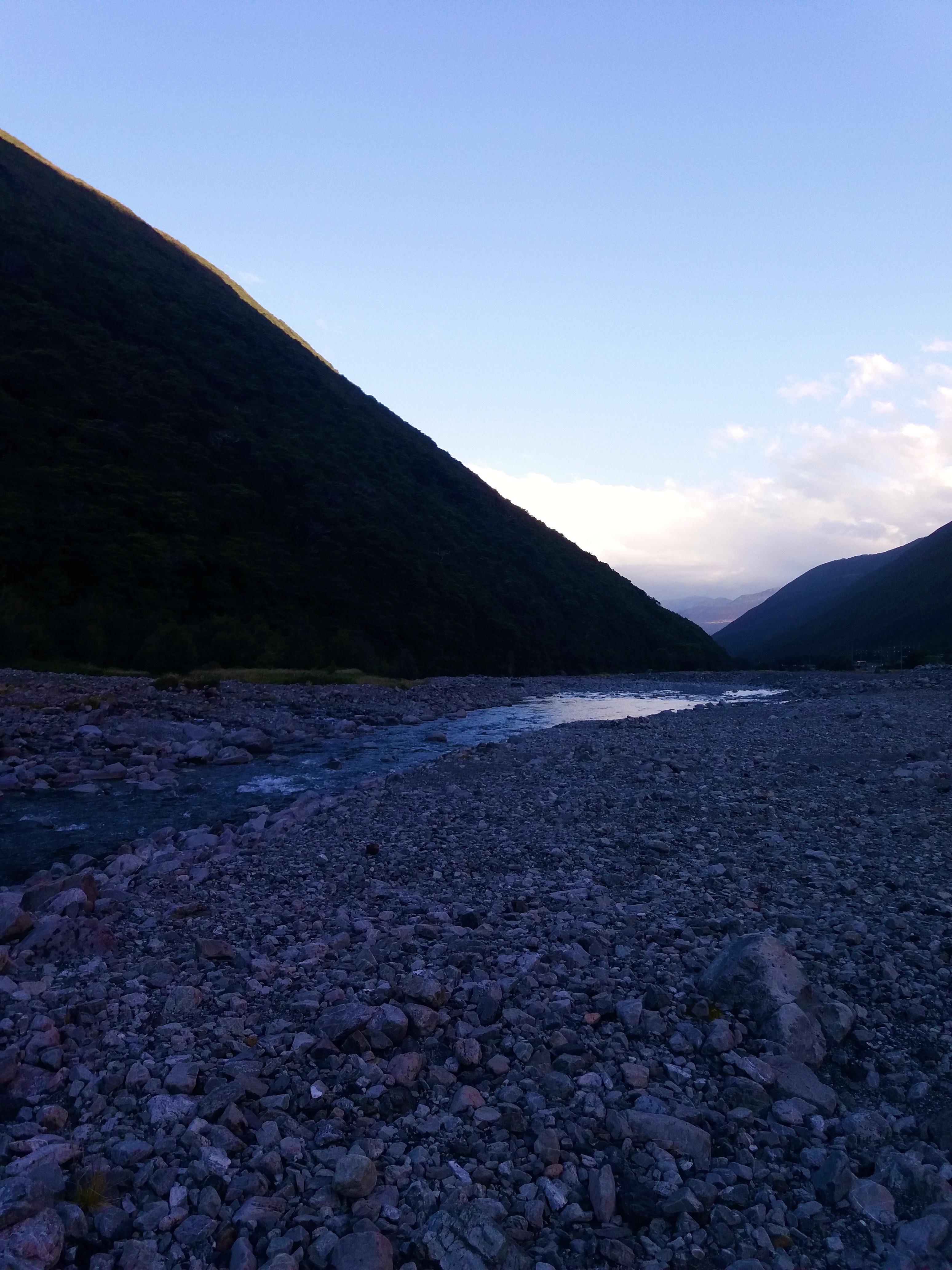
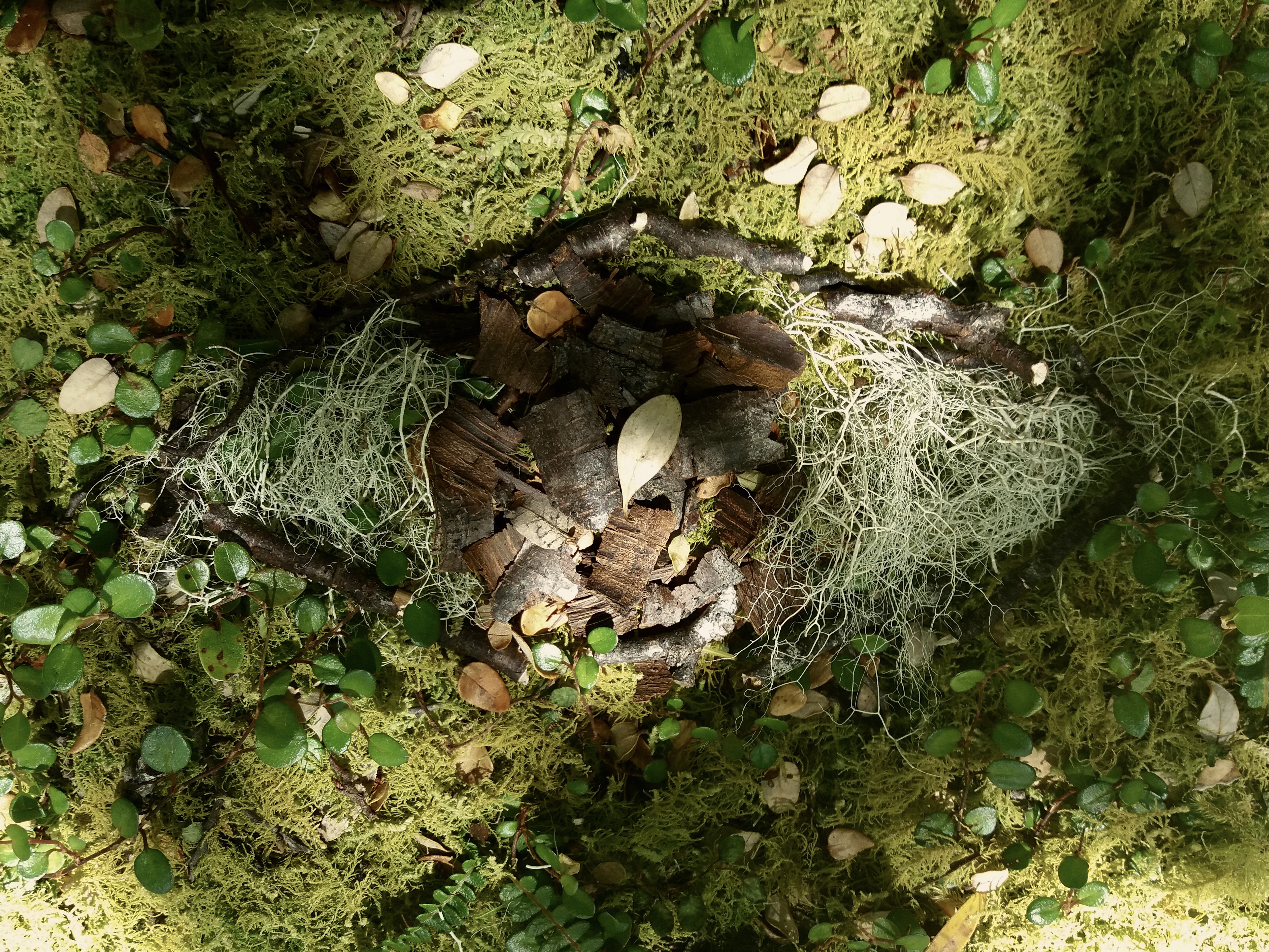
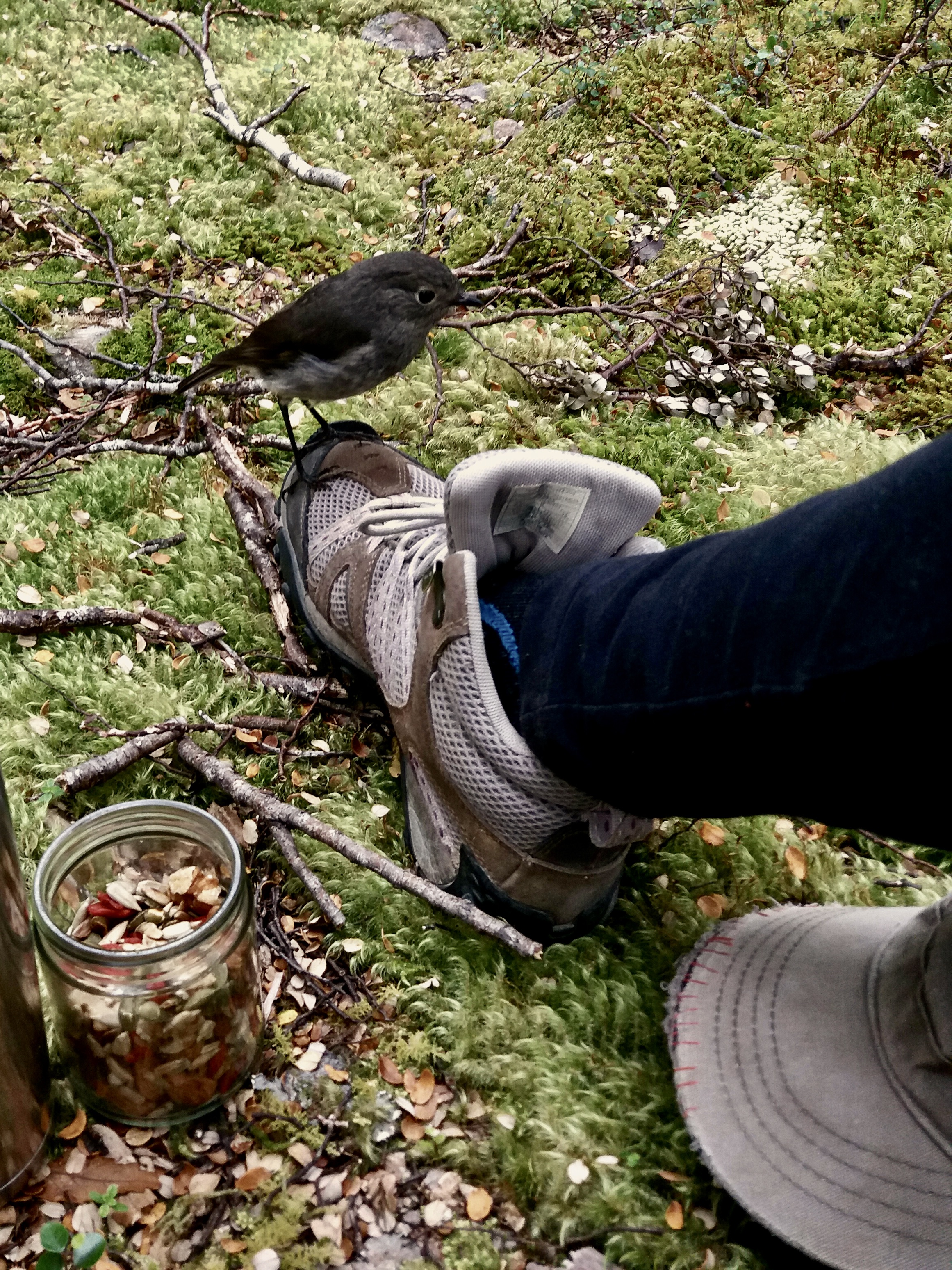
Life has it that we dropped into Arthur’s Pass (South Island of Aotearoa/NZ) for 10 days recently. We, meaning my partner, my son and I. The big guy was training on the Coast to Coast course – a daily adventure into stunning mountains and rivers. This left the little one and I some time to explore. Thanks to a visiting grandmother, some outings became veritably zen, solo windows, where the silence grew around me like a cloak and revealed many colours. I’d like to share with you some images of the process of shooting the music video for “A L’Aube” – the title track of my new EP. I had some nebulous visions forming somewhere in the wings of my mind, but these images actually found their form in the land at foot, at hand, at heart. Working only with found materials and letting chance be the guide, it is my delight to share with you… (see below for full video and link to the music)

FOLLOW

30 April – Tonight I had a conversation, with a man I’ve never met.  Him a stone, and I a bird.  Pierre.  Tui.  We stood upside down from each other, on either side of the planet.  Wood was the language in common.  The resonance of it.  The way it carries music.  The calm it harbours.  The way it is both permeable and protective…

Apparently we spoke for his (beautiful!) blog piece @ La Maison Jaune concerning the release of my new record with Beating Drum.  But in truth, we spoke for the life altering properties of listening.  For the way strangers can meet in intimacy, through art.  For the alchemic wonder of surrendering our lives to the riddle of colour, shape and frequency, where ideas echo our impermanence, and in doing so, confirm our belonging, to the great wheel.

20 May – Oh, what happens when you let the music lead!  I confess I started playing the guitar when my heart broke.  It was a physical consolation.  And a revelation.  I started writing from a new silence.  The one that came after.  After my Bulgarian Folklore studies in Plovdiv – where I soaked in odd-meters, crumbled beneath the beauty of the timbre (vocal that is) and was securely wrapped in ornaments.  I wrote armfuls of songs into that silence, and a handful made it through.  To a recording…

In following the incandescent (or is it indecent!) “why not” protocol, I hunted out the sound engineer, who, in the world, had captured my favourite female vocal recording – Rokia Traore’s Tchamantché.  Yep, internet.  I found him, and his microphones.  Patrick Jauneaud.  We agreed.  And so, tucked away in resonant mountains in the south of France, some delicate, ardourful songs were stitched to light.

I wanted to do it all alone, you know, and with just one voice and one small guitar.  To . render . complete . justice . to . the . silence.  Patrick suggested that this was ambitious – that artists usually do such a thing in their masterful age!  He coaxed me into playing around with a few layers.  Relaxing the rules a little, I allowed myself to some sing harmonies on the record.  And.  Patrick passed the tunes onto someone I’d never met – but had admired the music of – Piers Faccini.

Piers heard something of  himself in this music.  And his delve into my online presence confirmed our common love for quiet spaces.  He offered to collaborate on a record.  We took an EP worth of my songs and let his expert ears/hands influence their body.

I was scared.  Scared of not being strong enough in my vision.  Scared of failing in my new found independence, by letting another artist alter my babies.  Temperaments shuffled.  We braved it for the love of music, for loyalty to the unknown, and to let the colours in.  Because none of it belongs to us anyway.  And they were beautiful.

The way I see it, Piers bought the village, dancing, to my hermits cave.

These arrangements feature layers of tender instrumentation, including slide guitar, harmonica, voice, piano, gembri and an evocative selection of percussion.  Much of it was played by Piers himself, with spirited interventions by Malik Ziad and Tunji Beier.

Stills taken from FOLLOW.  Underwater capture by Monty Bevins, thank you!

The tune I’ve made a film for first, travels for 6 minutes of 11/16 time, looping around our hearts, the globe and back.  With footage from Bulgaria, France and Aotearoa/NZ – this is a song for the first smile, for the last sigh, and for all the gratitude in between.

WATCH [FOLLOW by TUi MAMAKi] HERE

The RECORD from which this song is takeN, TUi MAMAKi “Hear My Voice” (Beating DRum RECORDS 2018), is available in limited edition vinyl – with artwork by Piers Faccini – and/or download HERE


Capture

This one… what is in a raw capture?

Sometimes, in the middle of the night, when a storm strikes, we don’t sleep but we play. And the audio captured there has all the traits of befriending chance: the swells of wind rocking the hut like a small boat, the lashings of rain on the corrugated iron mingling with the breath, the proximity of the fingers that blur the lines, the turning, the hisses and the crackles of a voice telling a story… once. This is what I wanted to share with you! Not the studio control, not the pristine malleability of elements, but an actual living moment = a moment I loved and the imperfect traces of which, are perfect.

We made a moving image to expand on this capture. The women I worked with brought their eye, their imagination, their emotional response to the sound, to the one day we had together, to the gear we borrowed and to the spirit of improvisation-collaboration we claimed as our own… It is my genuine pleasure to share with you “Between Storms”.

It speaks to the slice of silence between great changes, departures, transitions. To the sanctuary of intimacy – which for a moment feels like a kind of eternity. To the solitude we choose, like a position on the edge of the world, on the edge of ourselves, on the edge of each other… it is a tender piece of attention to our transience and mortality.

BETWEEN STORMS

I let you in
Just enough to feel the breath between us
I let you in, just enough to be known
Put me to sleep between the sheets of our ice and snow
Willing to meet between the words where the silence grows

Two thousand years
Just enough to feel the breath between us
Two thousand years, just enough to be known
Put me to sleep between the roots and the earth around
Willing to meet upon the leaves where the light is found

дай ми да спя
между теб и снега
дай ми да летя
в ръцете ти, да видя

че,
луничките ти са звезди
на бели равни ливади
на чаршафа

там се срещат сънищата ни
и между тях се движи душата
на зората…

Translation:
Let me sleep between you and the snow
Let me fly in your hands, to see
That your freckles are constellations
On the pale, even fields of the linen
There meet our dreams
And between them moves
The soul of the dawn…

*Thank you Iliana Tabor for helping me with my first ever Bulgarian language lyrics!

<><><><><><><><><><><><><><><><><><><><><><>

“Between Storms” composed & performed by TUi MAMAKi.
Audio captured on a ZoomHn4 on a stormy night in a hut…
Moving image directed by Meg Perrott & Margaret Gordon.

Direction of Photography – Meg Perrot
Editing – Margaret Gordon
Costume – Rochelle Beaty

Still from “Between Storms” https://youtu.be/itAGDk5aBeo